Strategy
Where Geena works: the point where a business question meets human behavior.
- Brand strategy & positioning
- Consumer insights & research
- Behavioral design
- Customer experience strategy
- Innovation strategy

Brand strategist · Trained in New York
Is your customer in love yet?
See the workbrand love
An attachment between a person and a brand that is emotional, psychological, behavioral and ultimately financial. Nobody falls in love with a feature.

Geena treats brands as what they are to people: human attachments.
She has run this method inside BCG X, Deloitte and Vivaldi Group, and independently for brands in consumer technology and premium lifestyle.
Her path started with a thesis on brand-consumer psychology and impulsive consumption, sharpened by a master’s in Strategic Design & Management at Parsons and Harvard DCE’s program in consumer neuroscience. From that combination she built NEUROSPRINT™, a workshop method that treats neurotransmitters as actionable stages of a brand relationship rather than abstract science. She has helped brands across 10+ industries understand their customers and design experiences people can’t let go of.




When will we finally talk about the human customer, not numbers and formulas?
When will we talk about viability and commerce?
Why is this not a central part of every business?

Where Geena works: the point where a business question meets human behavior.
Sprint frameworks Geena developed to move from insight to decision.
Topics Geena speaks and writes on, on stage and through AVENUE.B.
Methodology
Projects bridge strategic design, business viability and consumer psychology, so the outcome works for the business and the human it’s for.
The sprints
SDSPRINT is a strategic design sprint that applies systems thinking and human-centered design to your brand strategy. It is a research-driven process, helping brands map their ecosystem, uncover real user needs, and translate both into a clear value proposition and brand direction.
How it worksNEUROSPRINT is a neuroscience-informed workshop that applies its MACR framework, motivation, attraction, connection, retention, to brand strategy. It is a behavior-driven process, turning emotional and neurological triggers into stronger acquisition and long-term loyalty.
How it worksA research-driven sprint that applies systems thinking and human-centered design to brand strategy. It maps the ecosystem a brand lives in, uncovers what users actually need, and translates both into a value proposition and a brand direction the team can act on.
What forces are already shaping this space?
What is the need state and desired outcome for a single user?
What’s the most intuitive solution that caters to both the system and the person?
How does your brand activate and evolve as a living human relationship?
A workshop that turns what consumer neuroscience knows about reward, novelty, social connection and habit into brand decisions. Each stage of the MACR framework becomes a question the team answers about its own brand, from the first spark of interest to a lasting habit.
Built on published consumer neuroscience research. No lab, no EEG.
What reward does your brand make people chase?
How does your brand spark excitement?
How does your brand create emotional value?
How does your brand become a long-term lifestyle?
Podcast
Conversations on brand psychology, behavioral science and the future of human-centered strategy, with guests from neuroscience, design leadership and brand innovation.
Episodes
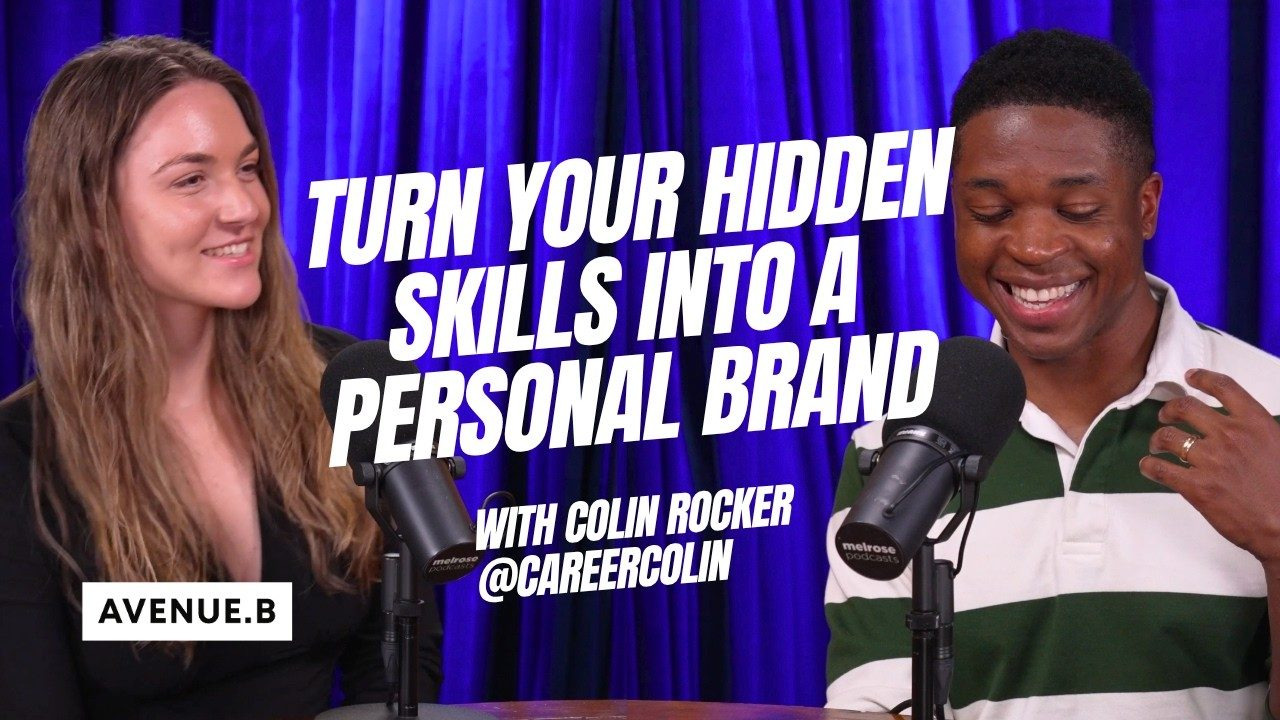
Turn your hidden skills into a personal brandwith Colin Rocker
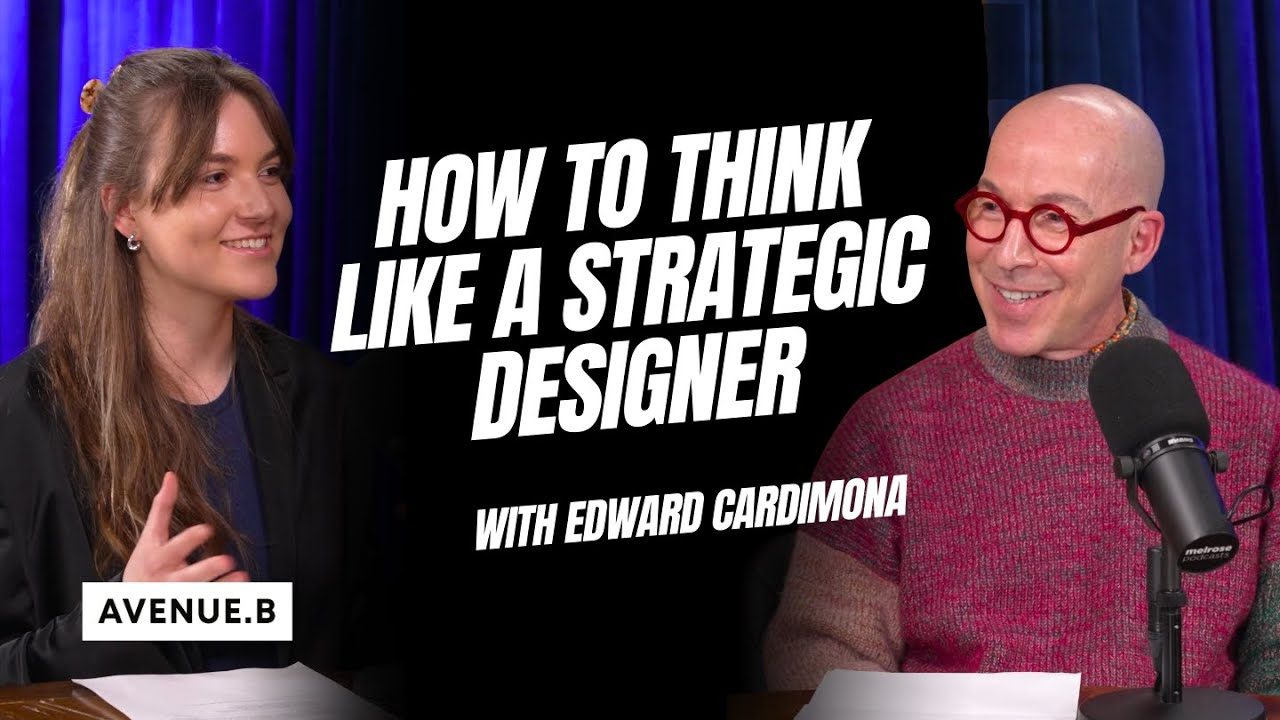
How to think like a strategic designerwith Edward Cardimona
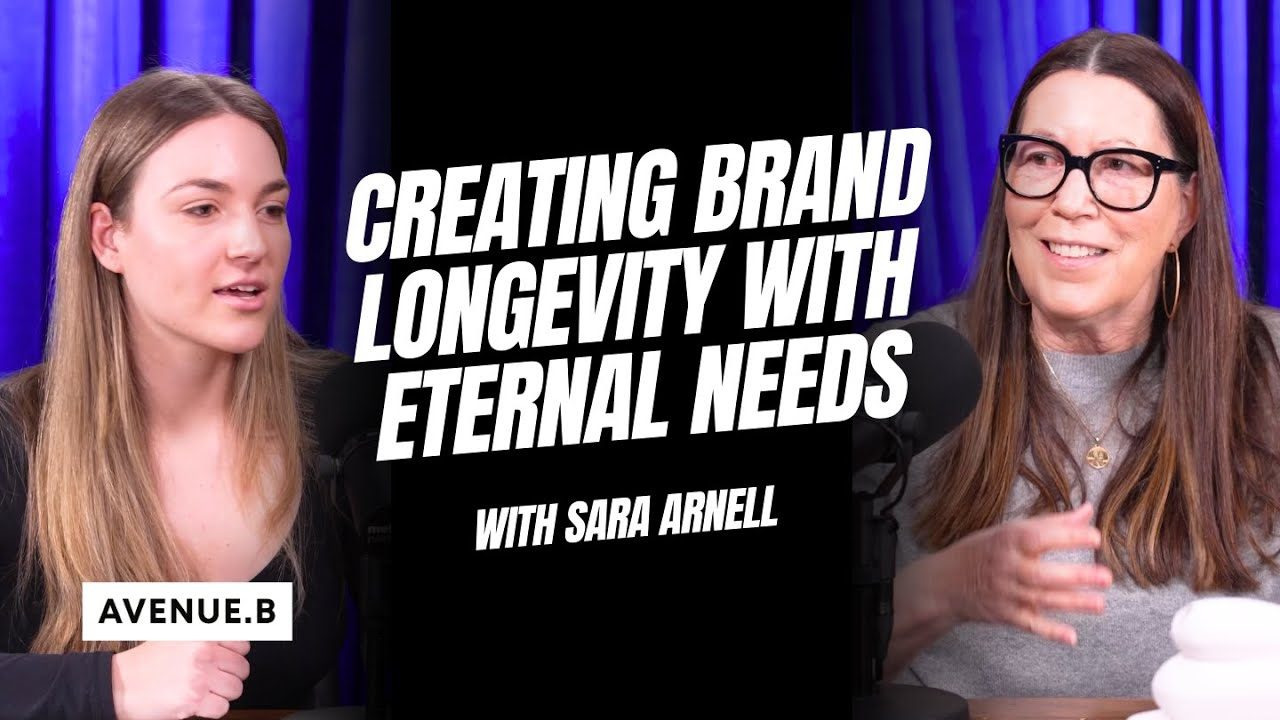
Creating brand longevity with eternal needswith Sara Arnell
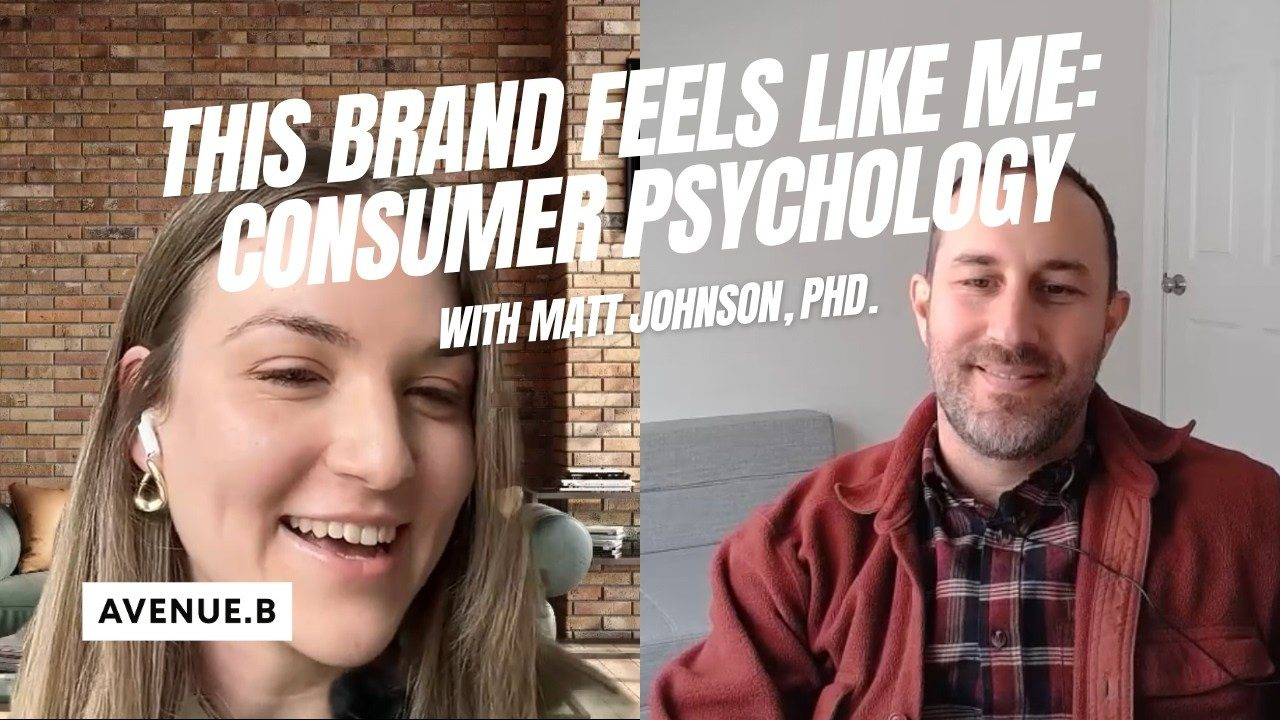
This brand feels like me: consumer psychologywith Matt Johnson, PhD
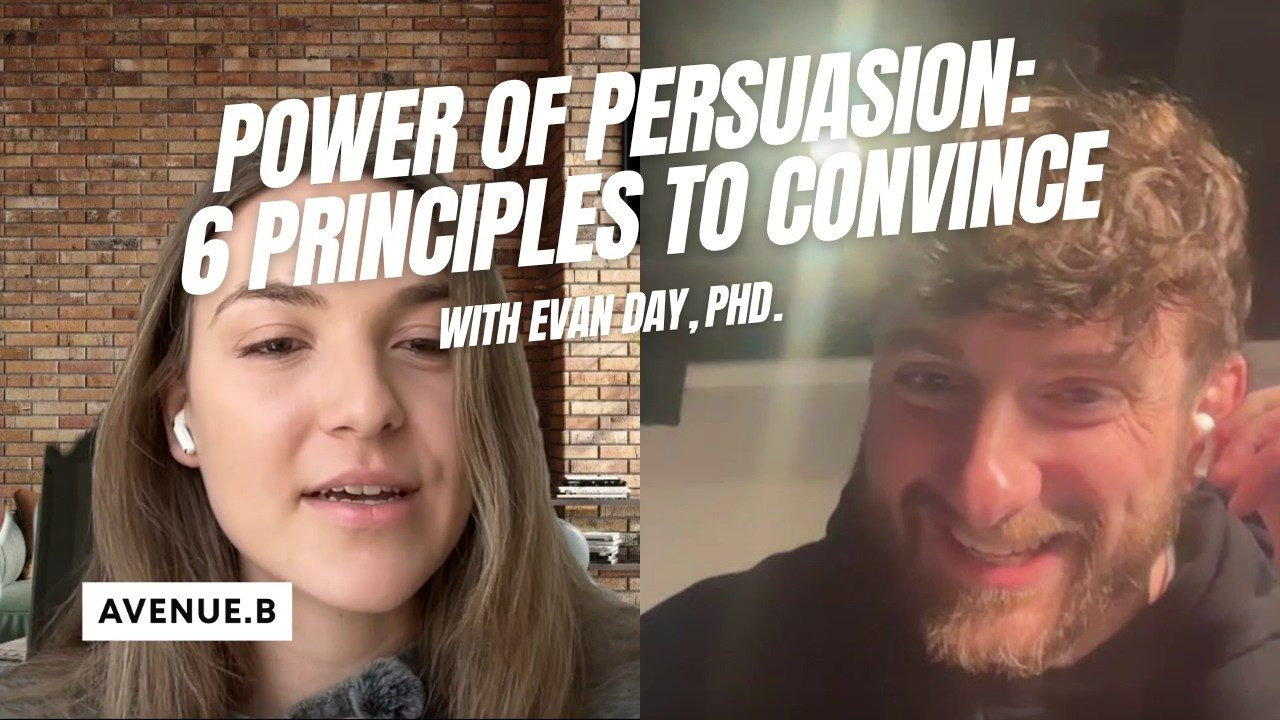
Power of persuasion: 6 principles to convincewith Evan Day, PhD candidate
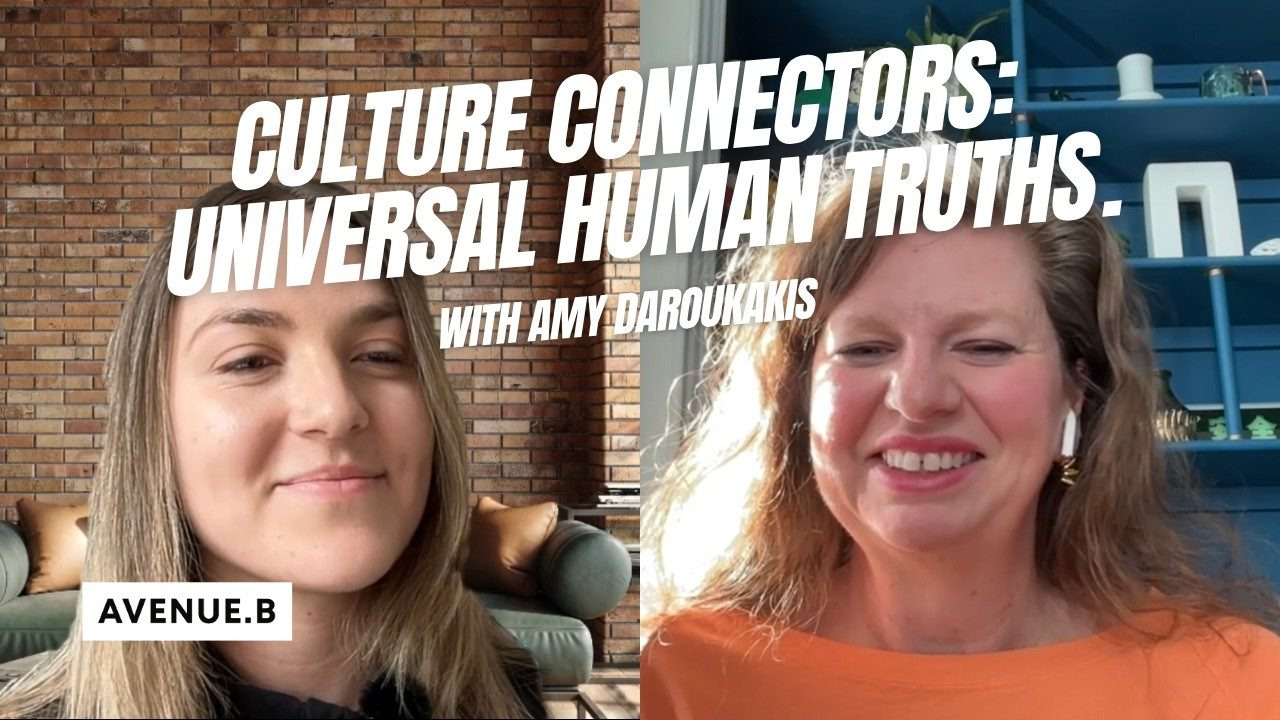
Culture connectors: universal human truthswith Amy Daroukakis
Guests
Thinking
Geena’s writing on brand psychology, consumer behavior and strategic design, published in the AVENUE.B newsletter.
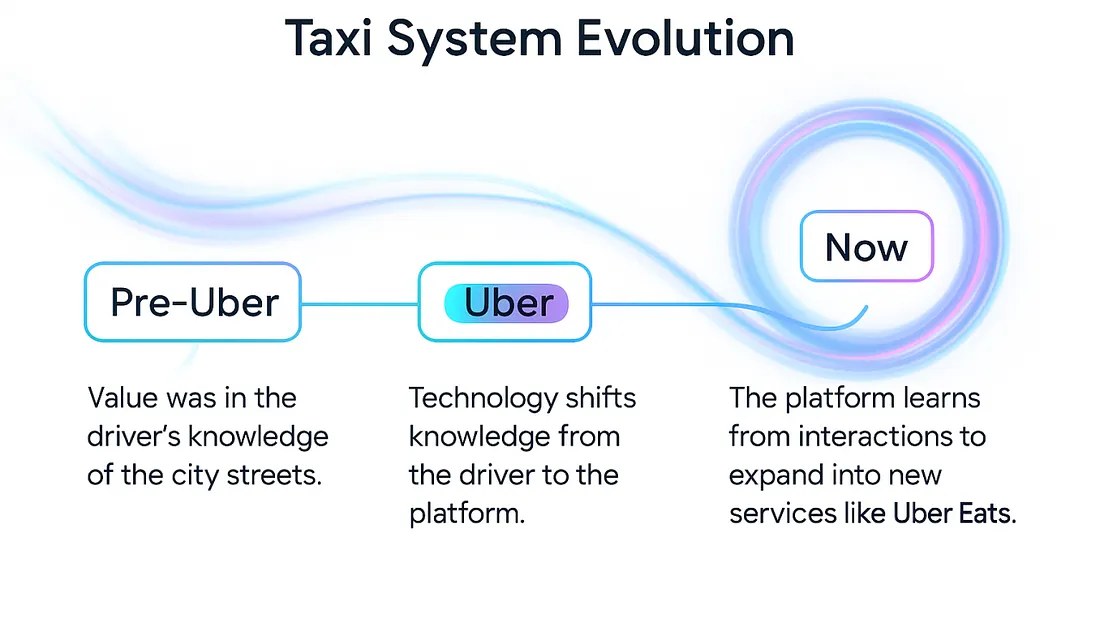
AI doesn’t just automate tasks, it reshapes the whole system value moves through. A framework for orchestrating demand instead of just defining strategy.
Read on MediumCase study
Turning checkout hesitation into trust, from the product page to the front door.
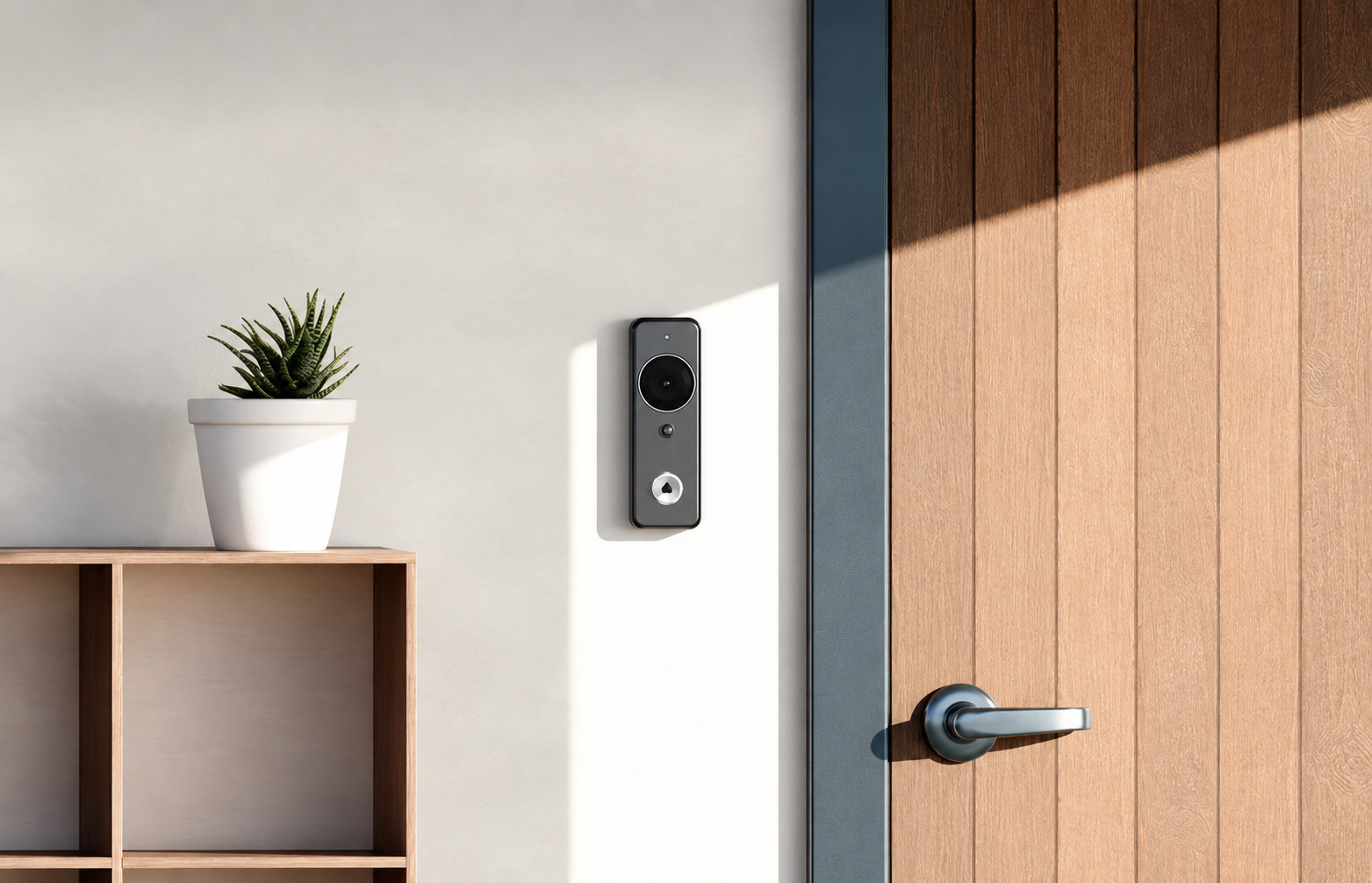
For a national home security provider, I led the value messaging workstream of an e-commerce optimization at BCG X. Interviews, observed shopping sessions, heatmaps and drop-off analysis, through to the recommendation presented to the client.
A leaking e-commerce funnel despite a strong core product. Several customers bypassed sponsored placements to find the site directly, then stalled later in the journey.
Customers hesitated at checkout because the product pages never answered their basic safety and contract questions.
Revised value messaging, packaging and contract transparency, presented to the client and moved into implementation.
The product’s reputation was already strong relative to the competitive set. The friction sat downstream, in the moments where customers had to commit to price, contract and coverage.
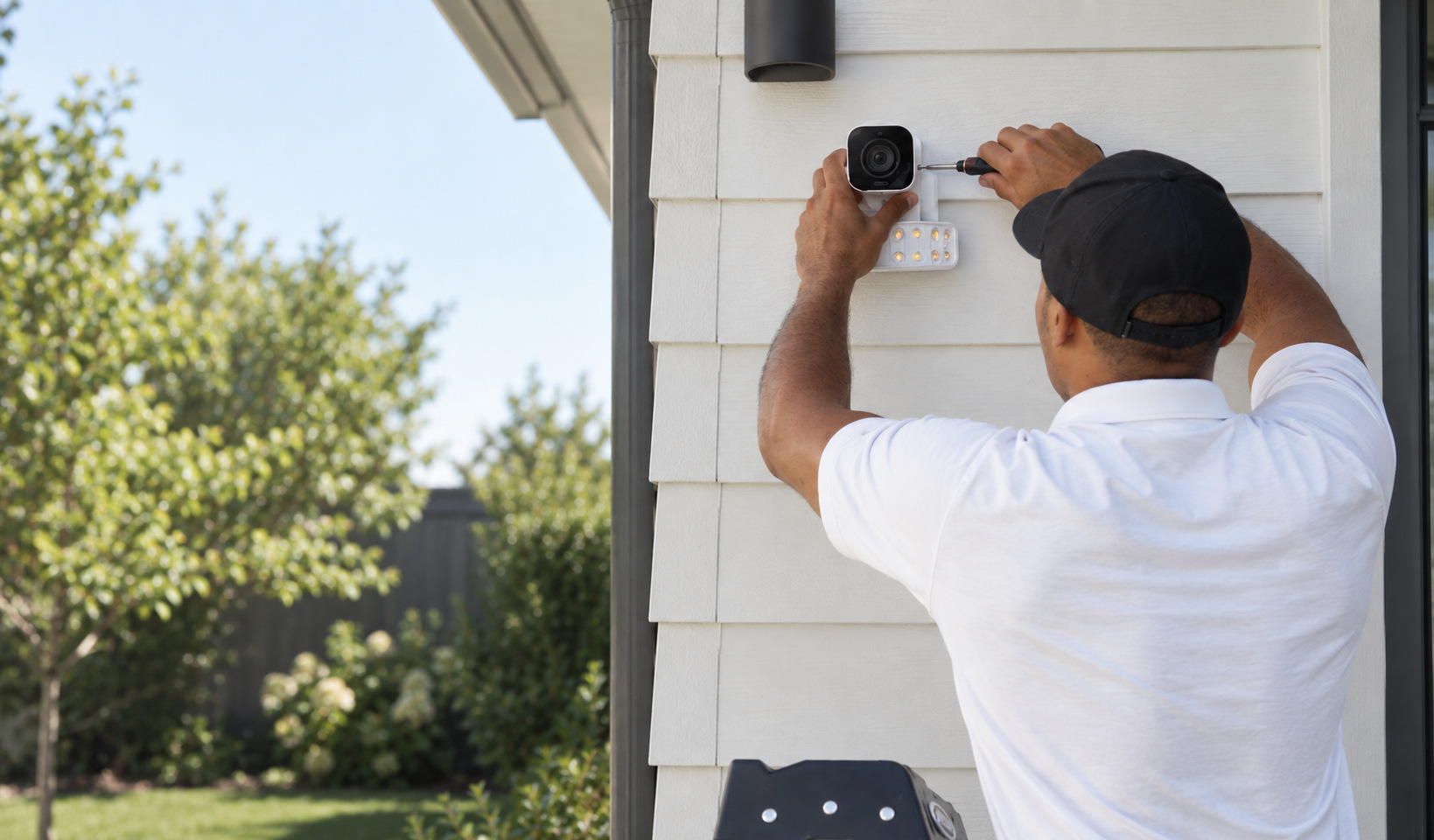
Feature-first pages met safety-first customers.
Reposition the company as a monitoring network rather than a device brand: a real person on the other end of the dispatch call, which no doorbell-camera competitor can claim. Around it, financing on total system cost, contract and cancellation terms stated upfront, monitoring separated from add-ons, and pages that answer the safety questions directly. Presented to the client in a design review, with legal review before implementation.
In a parallel workstream, I researched the trust behind a feature for giving a neighbor, dog walker or delivery contact temporary access to your home. The question was simple: where does trust actually break down?
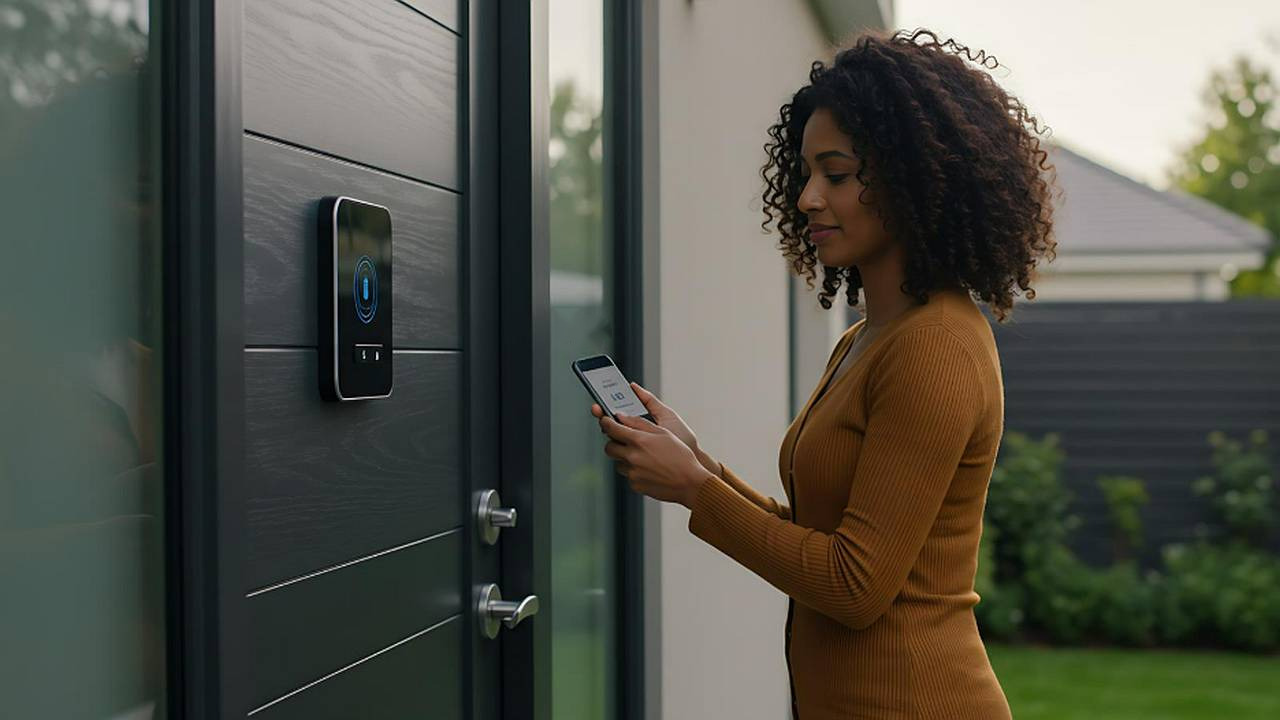
Neither the product nor the guest had earned trust yet.
Treat the invite as the start of a relationship, and the neighbor as a future customer. A heads-up text from the homeowner’s own phone instead of a generic notification, a thank-you at the end, and facial recognition positioned as a nice-to-have, never a requirement, with a code always available as backup.
Case study
Building repeat purchase by turning a one-time remedy into a daily ritual.
The risk was that Salt Stone would be used when symptoms flared, rather than as part of a daily routine.
New routines rarely start from a feature list. They stick best when attached to one people already have.
Recommendations for moving from remedy to daily ritual, with a habit framework and a prioritized roadmap.
Pre-sales proved demand. Growth depended on repeat purchase.
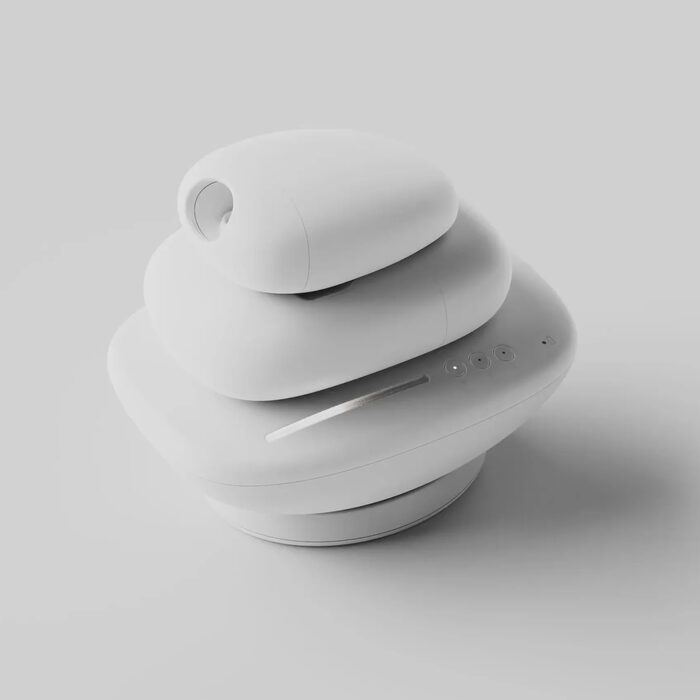
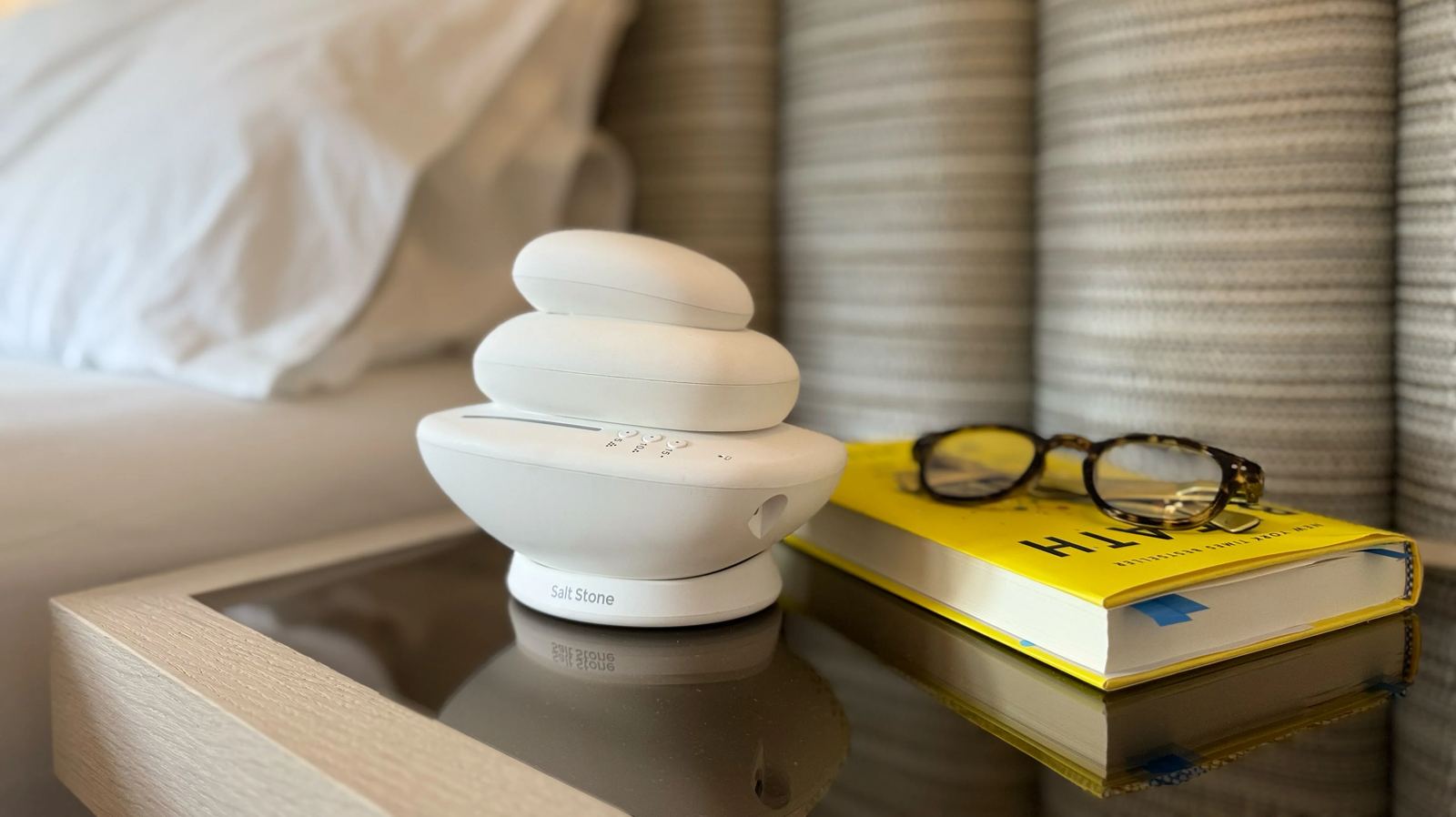
Salt Stone is a dry-salt halotherapy device in the respiratory wellness space. Strong pre-sales showed clear demand. Further revenue and retail distribution would depend on repeat purchase, which a single device purchase doesn’t guarantee.
Used occasionally, the product sits in the remedy category: seasonal demand, priced against antihistamines. Used daily, it becomes respiratory hygiene, where salt refills drive recurring revenue and the product can be sold as a wellness object rather than a medical one.
The reward loop starts at symptoms and stops when equilibrium is reached.

Pollen, dust, poor sleep, or a family member’s symptoms.
Wanting to get back to a state of health equilibrium, carrying the frustration of symptoms that persist.
Research before purchase: evidence, doctors’ opinions, studies.
Relief. Once symptoms ease, the need fades, which would keep the product in the remedy category.
Credibility needed to come before affinity.
We placed Salt Stone on a matrix of immediate versus delayed gratification. It sat in the Impulse quadrant: fast relief for a specific problem, bought once. The goal was to move it toward Passion, where a long-term goal like respiratory health supports daily use.
The main gap was sequence. The messaging led with affinity before explaining what halotherapy does, while many visitors were still new to the category.
The category is also widening: salt therapy is showing up in gyms and saunas, and adjacent products address respiratory comfort in other ways. In a growing category, credibility and habit travel further than features, so the brand needed to win on credibility first and daily habit second.
An Impulse brand with the potential to become a Passion brand.
Establish credibility first, then build the habit.
In the workshop, we reversed the sequence: explanation first, relationship second. The lead message is the difference between wet and dry salt, a point of differentiation that is easy to explain. From there, the workshop developed recommendations across each stage of the NEUROSPRINT™ framework, each moving Salt Stone a step further from remedy toward ritual.
“Every time I do my morning skincare (existing habit), I use Salt Stone for 5 minutes (new habit), because it makes me feel energized (emotion), as a healthy human being (identity) on my way towards respiratory health and longevity (lifestyle).”
A direction from remedy to daily ritual, and a roadmap to get there.
The workshop gave the team a shared direction: explanation-first messaging, salt refills as the recurring part of the relationship, and daily use anchored to routines people already have. Each recommendation was scored on effort and impact, so the team could sequence the work, starting with motivation and attraction.
Product images: Salt Stone / Tomorrow Lab
Case study
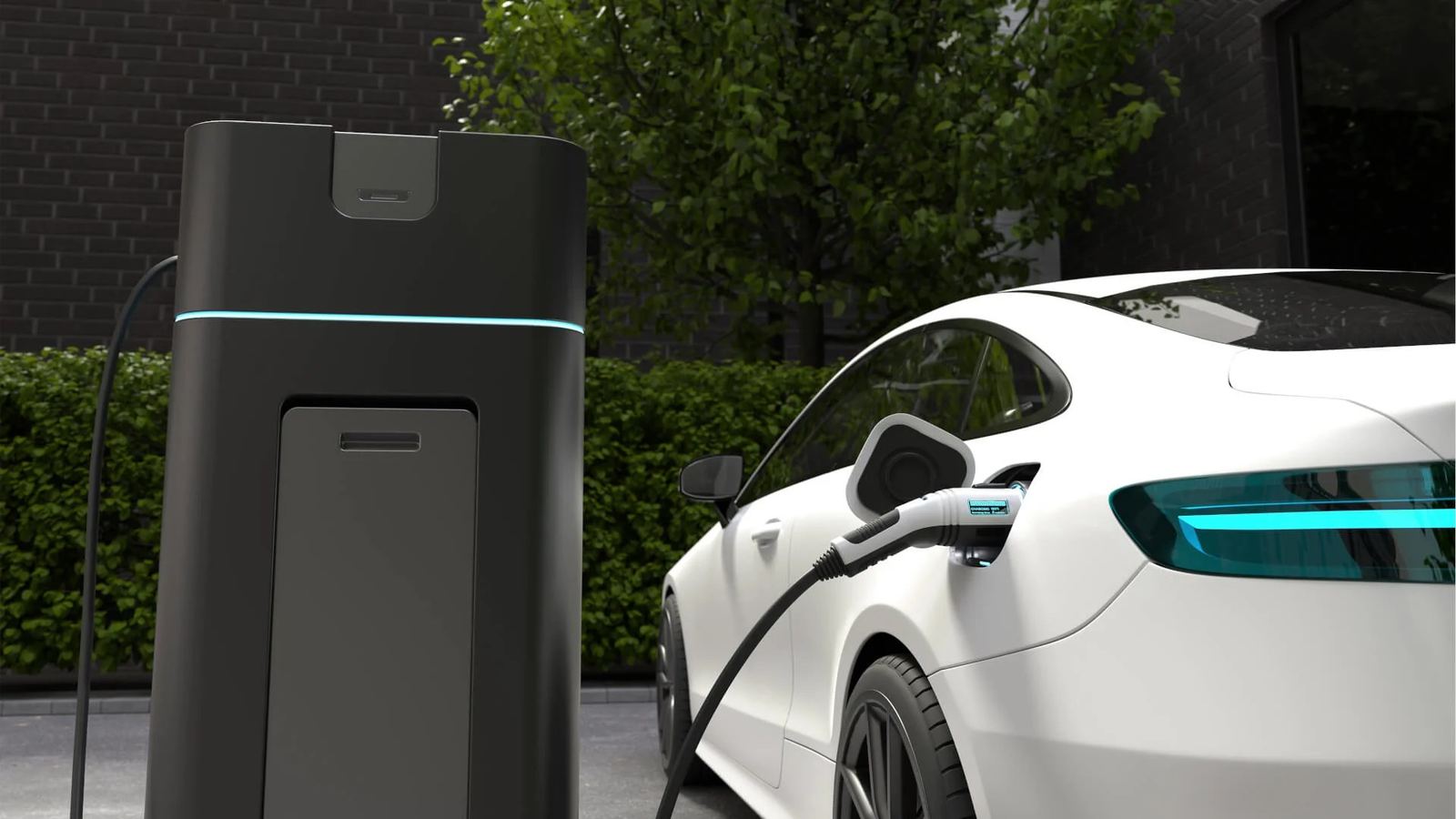
Protecting residual value by turning an invisible battery into something drivers want to look after.
Electric fleet cars lose residual value to batteries degraded by charging behavior that no one is clearly accountable for.
Drivers rarely protect what doesn’t feel like theirs, and a battery is invisible until it is already damaged.
A tested prototype and service concept rewarding battery-friendly charging, with blockchain as the verification layer.
Deloitte ran a four-day design sprint on value-added services in the automotive sector, together with the firm’s blockchain specialists. I co-facilitated, framing the exercises and running the voting rounds. The brief came from the leasing side of the industry.
Don’t be gentle, it’s a rental.
The sprint challenge, written on the wall: how might we use blockchain technology to maximize the residual value of electric fleet cars at the end of the leasing, sharing or renting period, considering driver behavior and battery health?
Mapping the ecosystem
Residual value is one of the industry’s least predictable numbers. Leasing companies estimate it from depreciation, age, distance, market confidence and model trends, and the spread of models and brands makes any single estimate unreliable. The uncertainty gets priced into leasing rates and paid by the customer.
It accounts for a large share of an EV’s residual value, and replacement costs enough to justify diagnostics on its own. What determines it is charging behavior, and charging behavior belongs to a driver who carries none of the cost.
Stakeholder and user research
Research covered both sides of the problem. Interviews with automotive and leasing experts framed battery health commercially, as a driver of residual value. Interviews with drivers showed it barely registers as a concern. Findings were clustered into How Might We statements and prioritized by vote into a single sprint question.


Battery condition isn’t visible in the vehicle, and few drivers knew which behaviors affect it: state of charge kept between 20 and 80 percent, charging frequency and duration, fast charging, heat build-up and load. They use a car they don’t own and return it on a fixed date, while the cost lands years later with the leasing company. Any solution had to include education as part of the service, not a support page.
The sprint question
How might we incentivize EV fleet users to care about battery health?
Designing the service
Two mechanics, borrowed from loyalty design: points and status for battery-friendly charging, and a battery with a face and a voice that drivers feel responsible for. Drivers get rewards and a visible battery; the leasing side gets a verified charging record, secured by blockchain, that feeds into residual value.
“Hi Alex, I’m your battery.”
The prototype gives the battery a face and a voice. It tells the driver which charging choice would extend its life, what that saves in money and resources, and returns points when the driver acts on it.
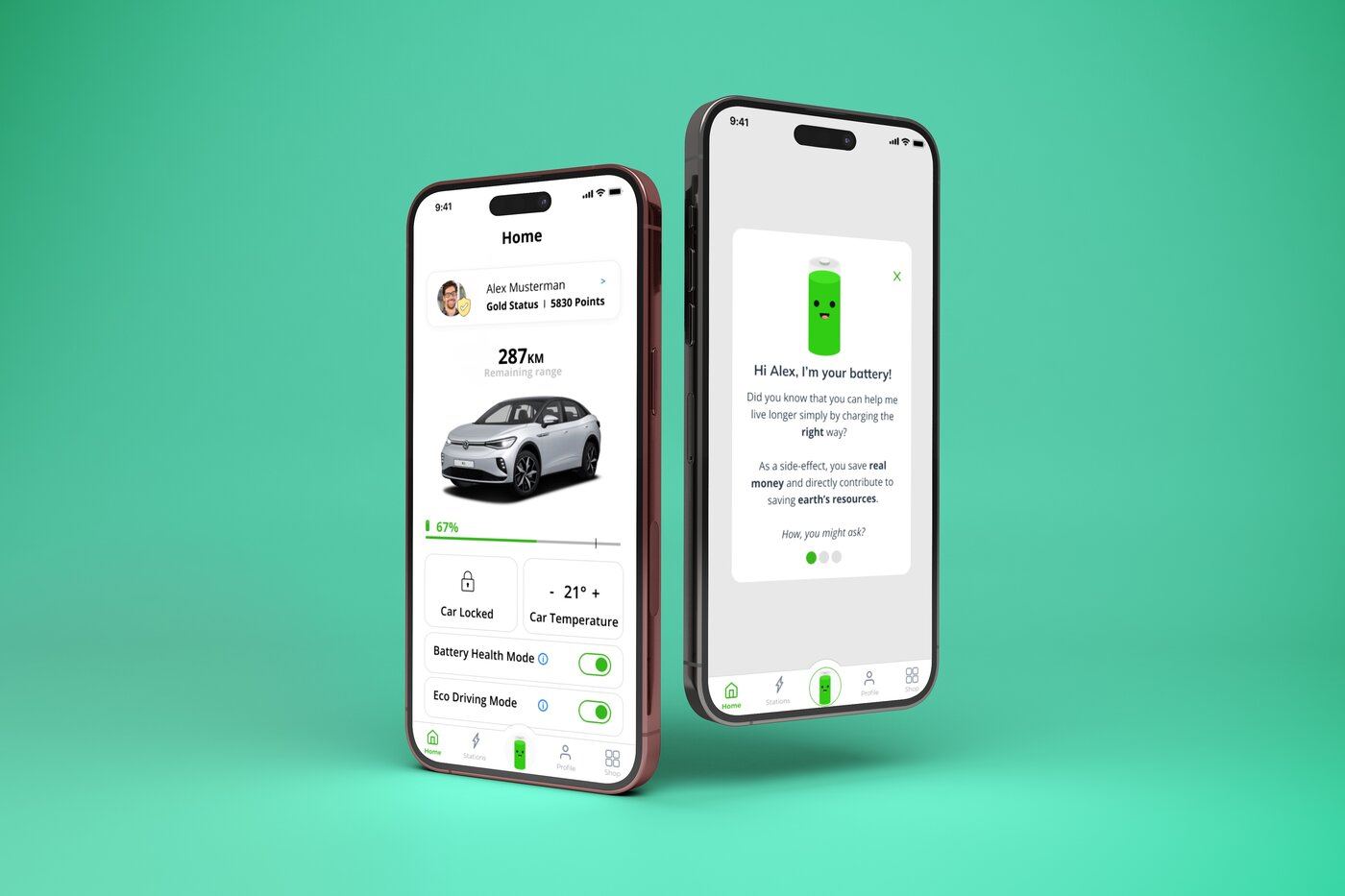
The prototype was tested with EV owners, a leasing expert, an EV subscription user and a battery expert. Rewards linked to the lease, like status and better leasing terms, resonated more than a points shop. The sprint produced a tested prototype, a refined service concept and a pitch direction for automotive clients. The open question is whether reward mechanics shift charging behavior at fleet scale, and by enough to move residual value.
Workshop photos: Geena Grunert. Prototype co-created with the Deloitte design team, mockups by Geena Grunert
Case study
Reframing a faucet engineering expert as a bold, yet elegant full-service luxury experience.
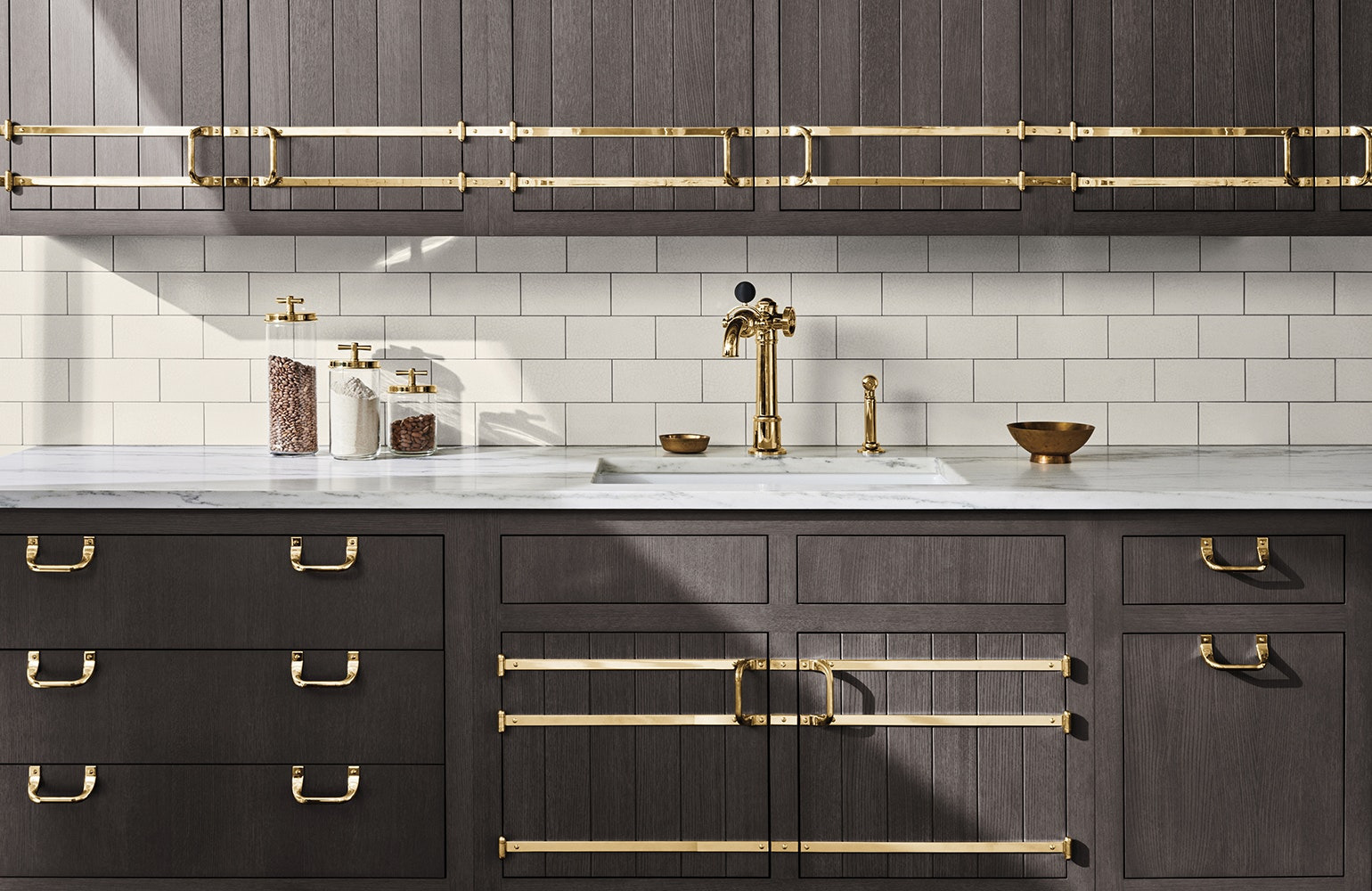
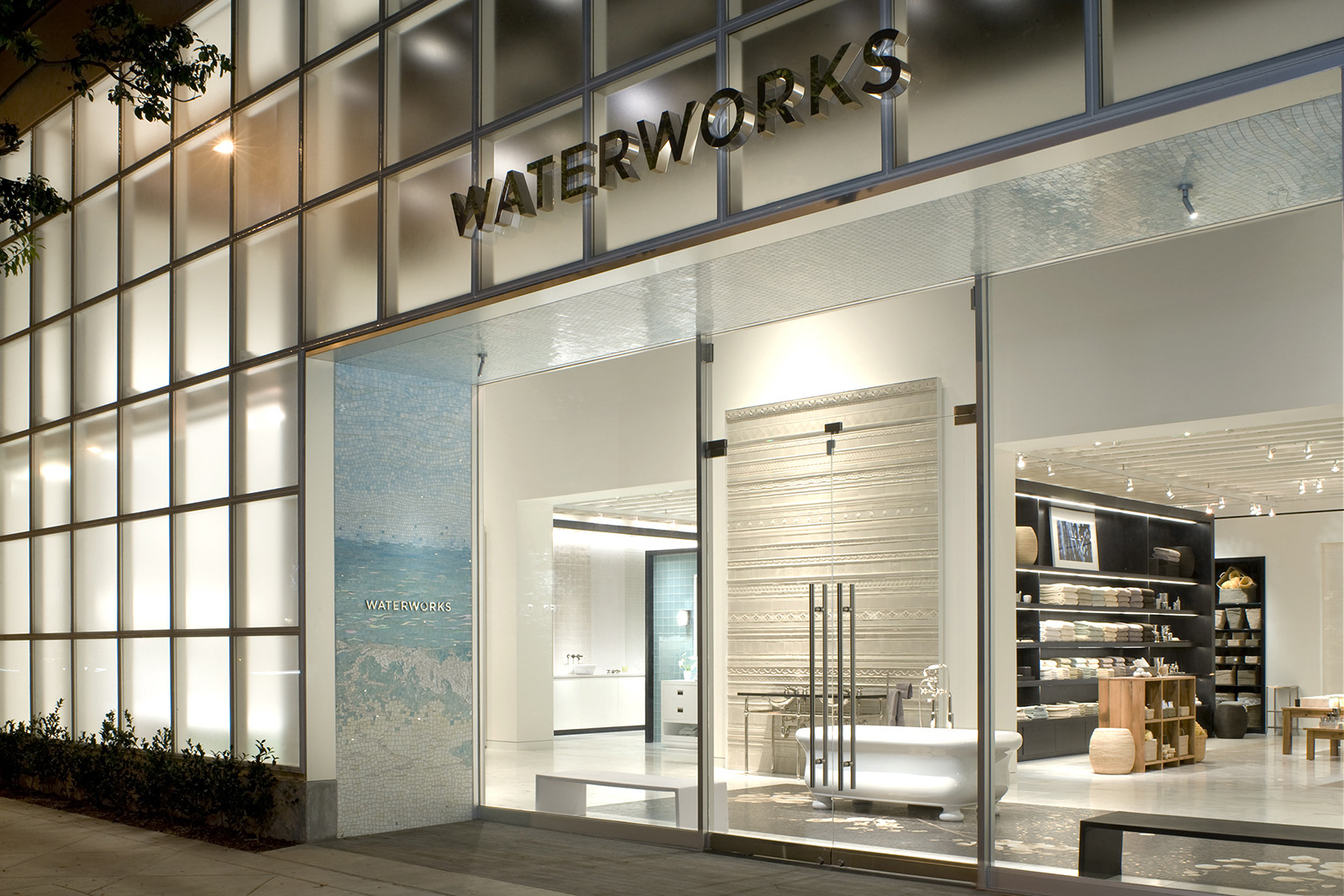
Waterworks is a legacy brand in high-end bath and kitchen design, known above all for its metal faucets. The brief: define a new standard for full-service kitchen solutions.
Waterworks’ strength in metal and engineering could carry the whole kitchen and bath, not only the faucet.
A strategic brand umbrella balancing timelessness with contemporary relevance, translated into tactics for existing showrooms and experiential exhibits.
A Parsons project in collaboration with Waterworks, in a team of three. Within a condensed timeframe, we reframed the challenge, ran secondary research across competitor brands, visited retail competitors and interviewed luxury brand experts.

Metal craftsmanship, extended from the faucet to the full kitchen and bath.
Close the gap between faucet and full-service, and become the first choice for comprehensive luxury kitchen and bath solutions.
Waterworks’ core is built around metal and expertise in faucet engineering, and brand awareness centered on the faucet. The task was to reframe that material advantage as a holistic, long-term solution for the whole kitchen and bath.
Before a purchase, consumers filter brands from an awareness set to an evoked set to a consideration set, based on price, relevance, personal taste and current memory, such as word of mouth. The goal for Waterworks: enter the consideration set for full-service bath and kitchen.
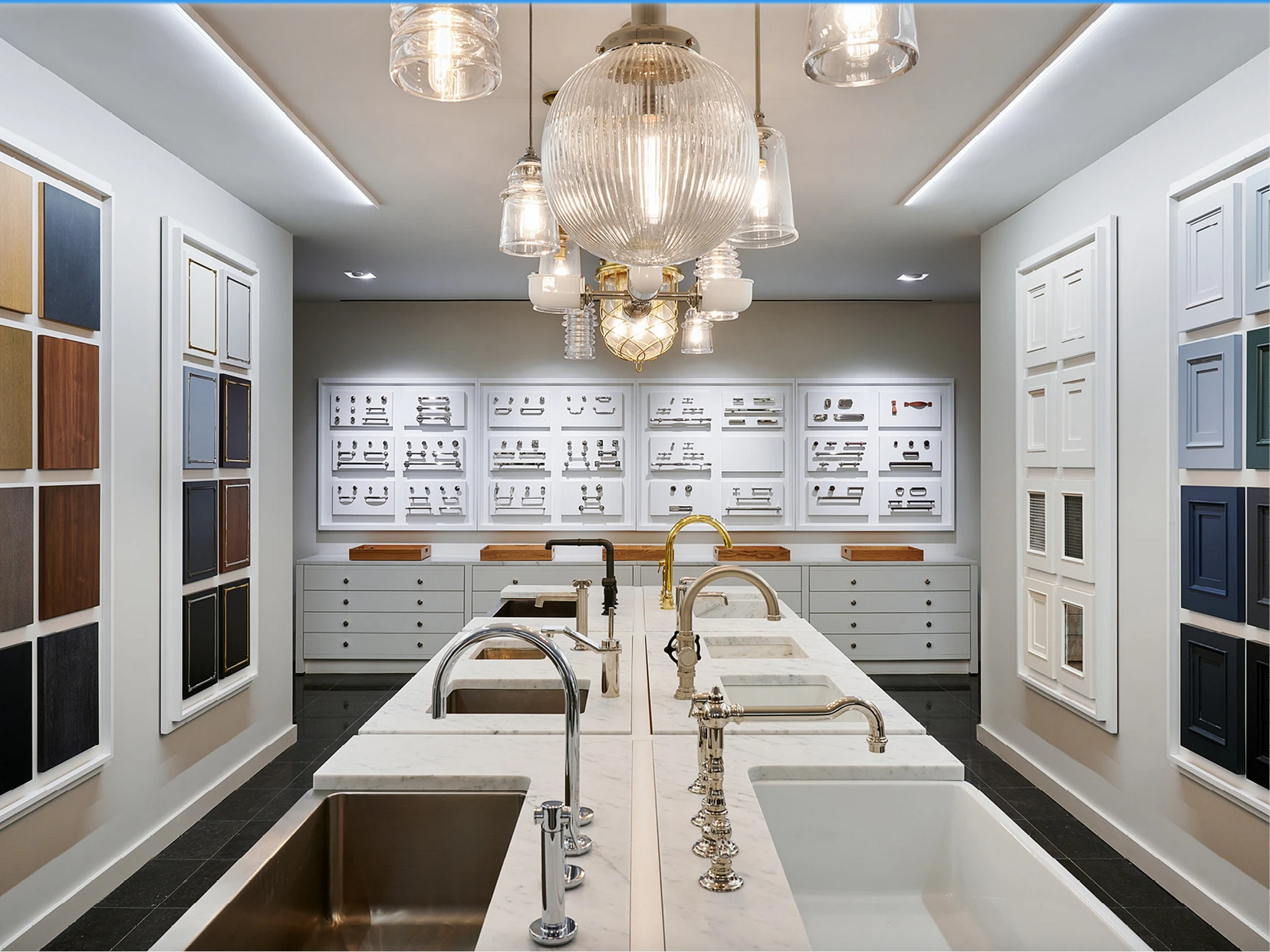
Metal, luxury, cabinet, second home, euro-charm.
Three pillars that balance a lifetime product with the moment it is bought in.
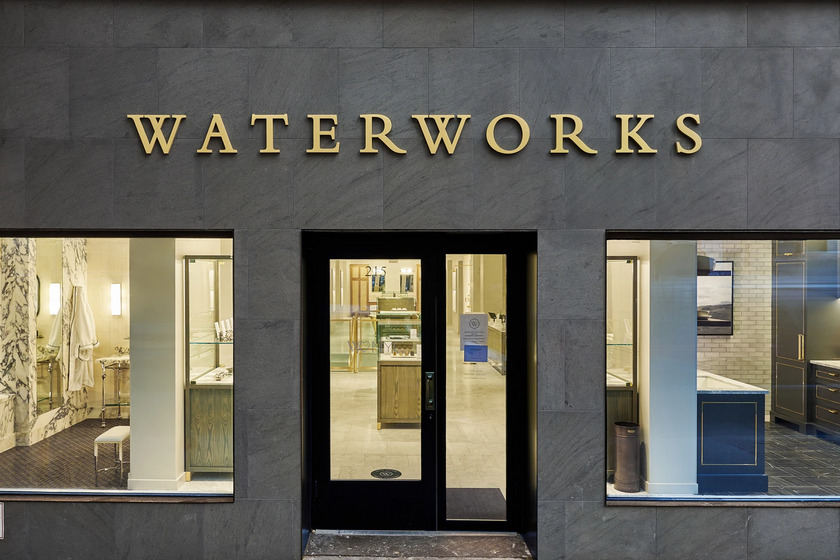
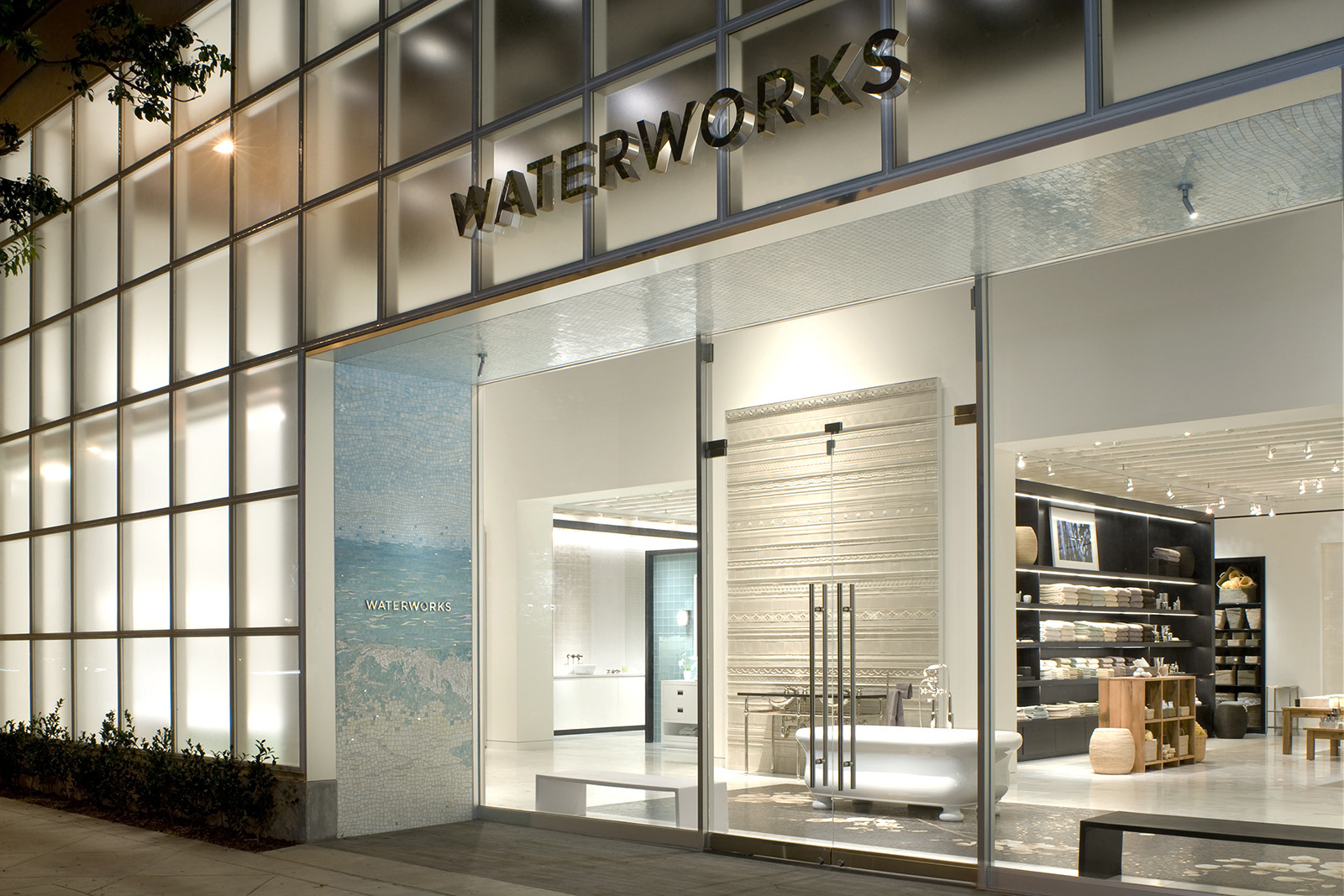
Not only a kitchen and bath, but a home for an ever-changing world.
A brand direction for Waterworks that follows customers through their life stages and moves with the emotional calendar. Craftsmanship-oriented and home-creating. Timeless, yet progressive. Elegant, with a sense of intellectual humor.
Images: Waterworks
Case study
Scaling an intergenerational program nationally through positioning for participants, partners and funders.
Scaling the program nationally through partners across the U.S., while keeping the relational depth that defines it.
The path to scale runs through positioning. Children, teen mentors, older adults, community partners and funders each need their own reason to take part.
A positioning framework for partner outreach and fundraising, and a sprint and roadmap that shaped program architecture, IP and scaling priorities.
“Geena’s ability to translate complex organizational ideas into clear, compelling narratives was exceptional.”
3G Mentoring brings together young children, teen mentors and older adults through structured, relationship-based programs built around Sesame Street media. To grow through partners, the program needed a clear value for each participant group, translated for the community partners and institutional funders behind them.
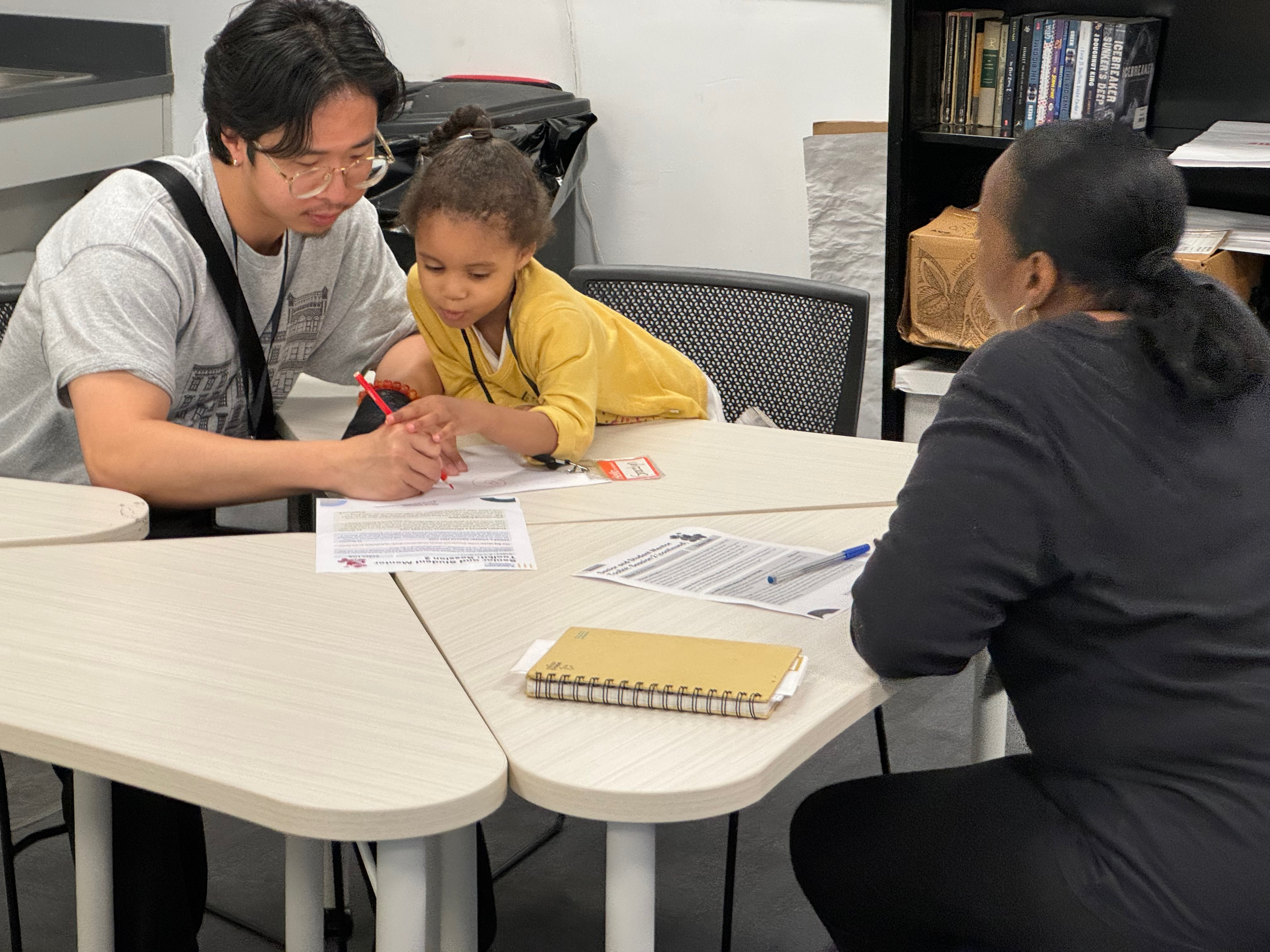
We set the strategic framing and core sprint question for a Parsons School of Design sprint exploring national scaling through a digitally enabled platform. The sprint outcomes fed into a strategic roadmap for ecosystem expansion and IP.
How might we scale 3G nationally through a turnkey, digital platform that partners can adopt, customize and sustain, while preserving the relational depth that defines it?
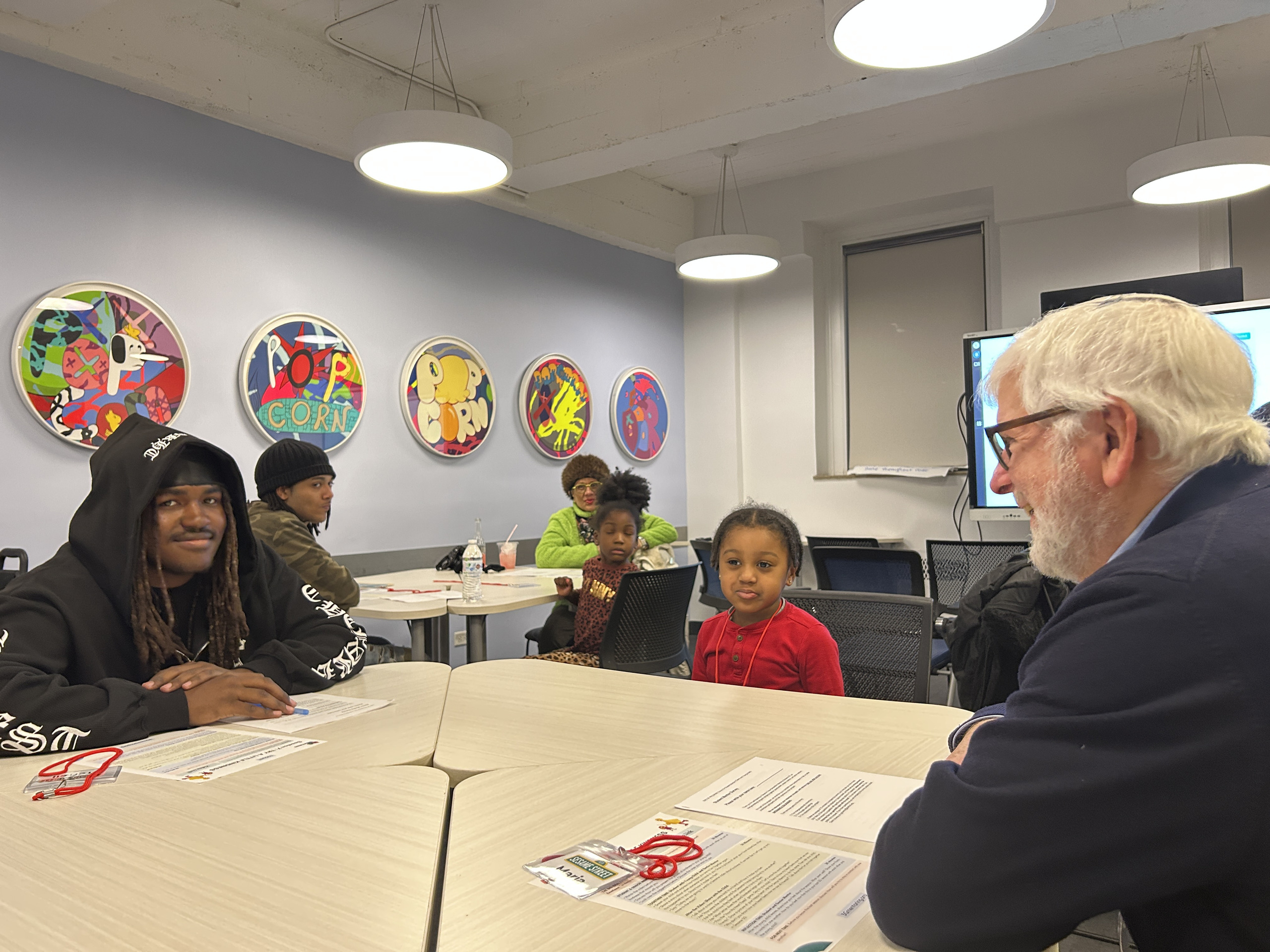
Scaling nationally without losing the magic in the room.
Guiding five teams as a subject-matter expert across partner strategy, program architecture and value mapping, translating a complex systems challenge into actionable directions. The teams explored national scalability, digital and in-person onboarding, program architecture, the experience for funders and participants, and branding and content strategy.

Methodology and curriculum formalized as IP, built around Sesame Street media.
Follow-me-around content and interviews with children, young adults, older adults and parents, showing the program from each generation’s point of view.

“It’s like a motherhood – we are all one big family.”
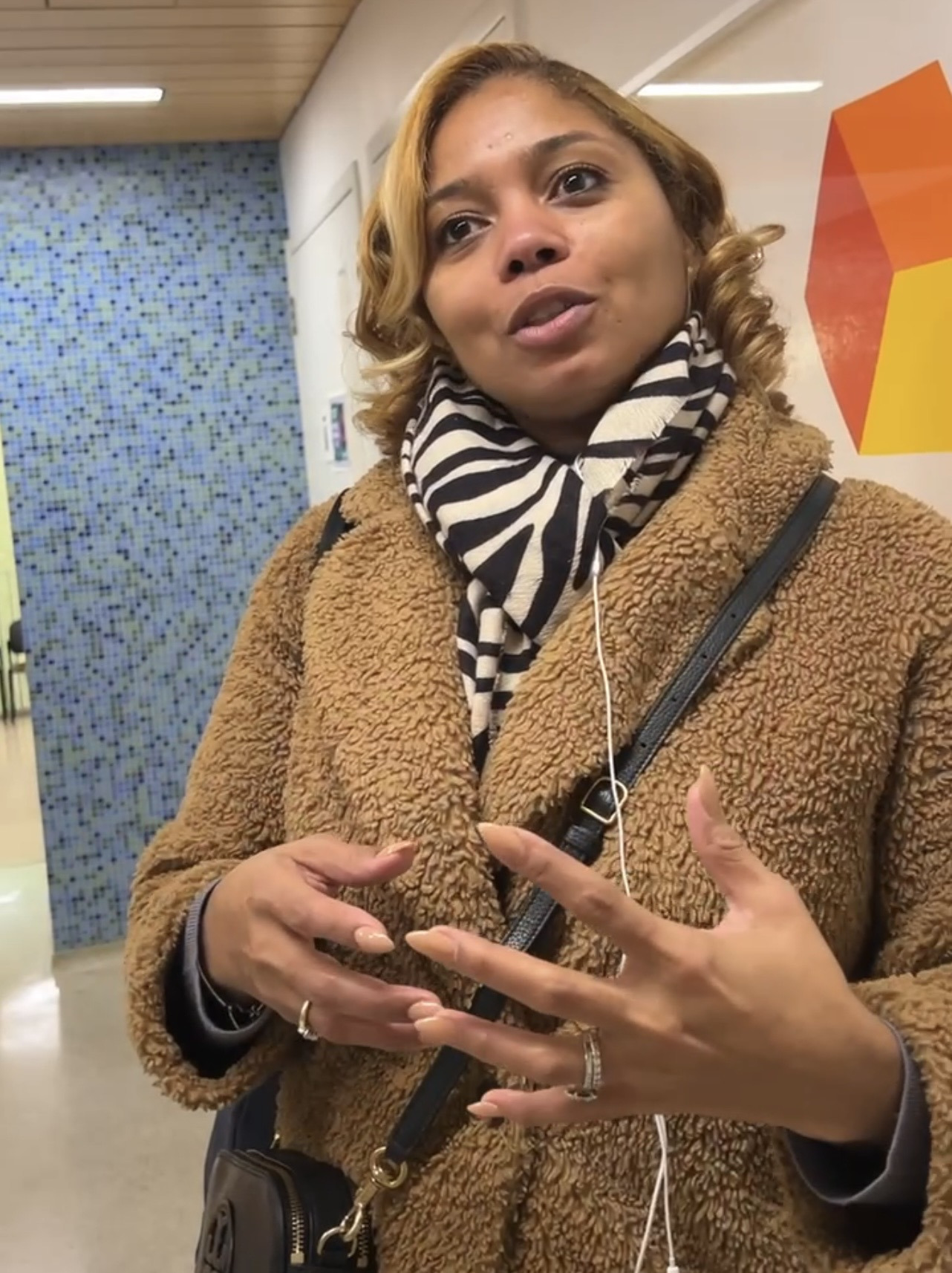
“He hugged an older lady on the subway. He has never done that before.”
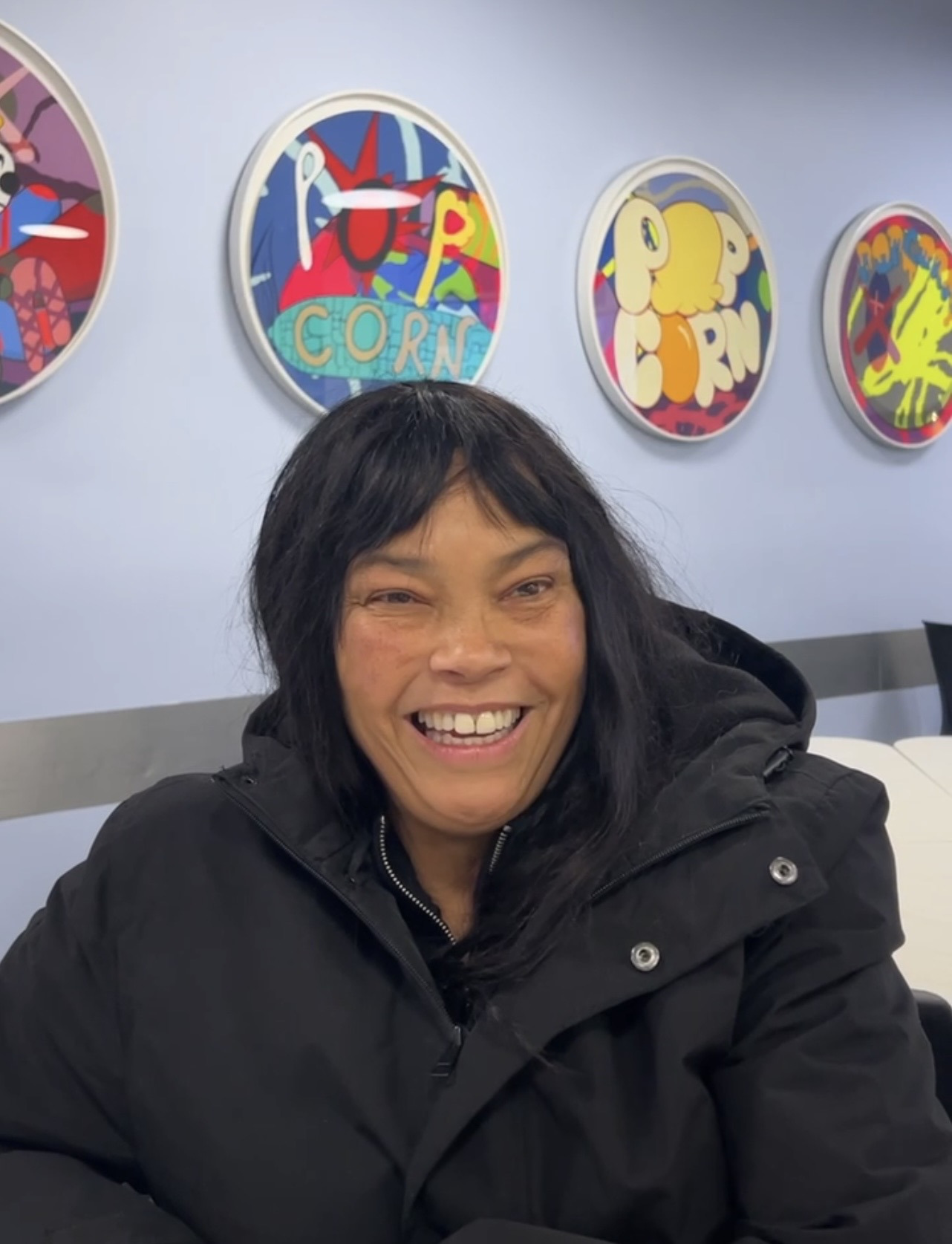
“Sesame Street has been a part of my life in my childhood, early twenties and now later life.”
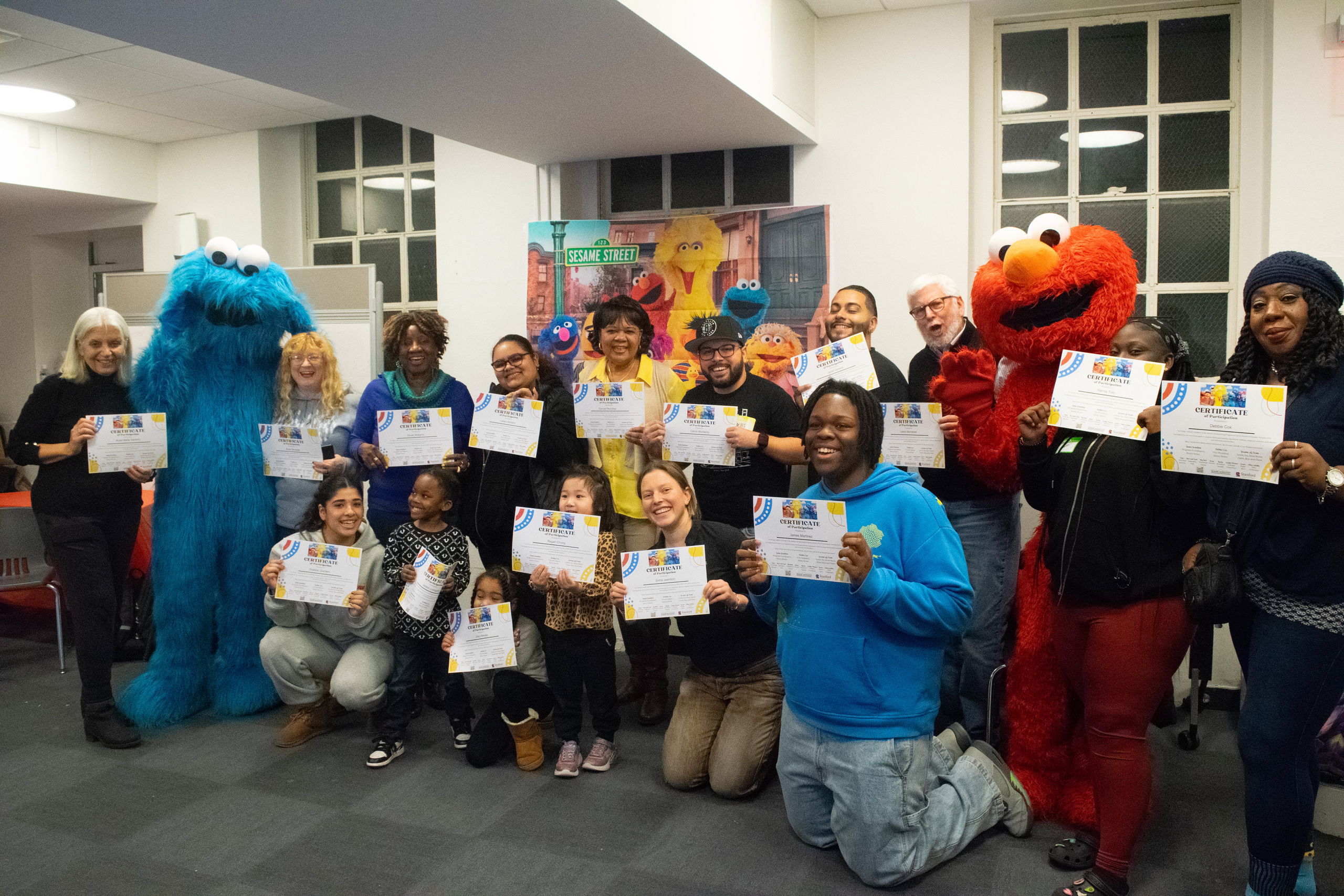
One organization, positioned as a system for lifelong learning.
The positioning framework became the foundation for partner outreach and the institutional fundraising strategy. The sprint and roadmap informed program architecture and scaling priorities: ecosystem expansion, IP across methodology and curriculum, youth leadership development and partnership-driven growth.
Images: 3G Mentoring and Geena Grunert
Case study
Making an invisible illness visible through storytelling, education and one shared brand system.
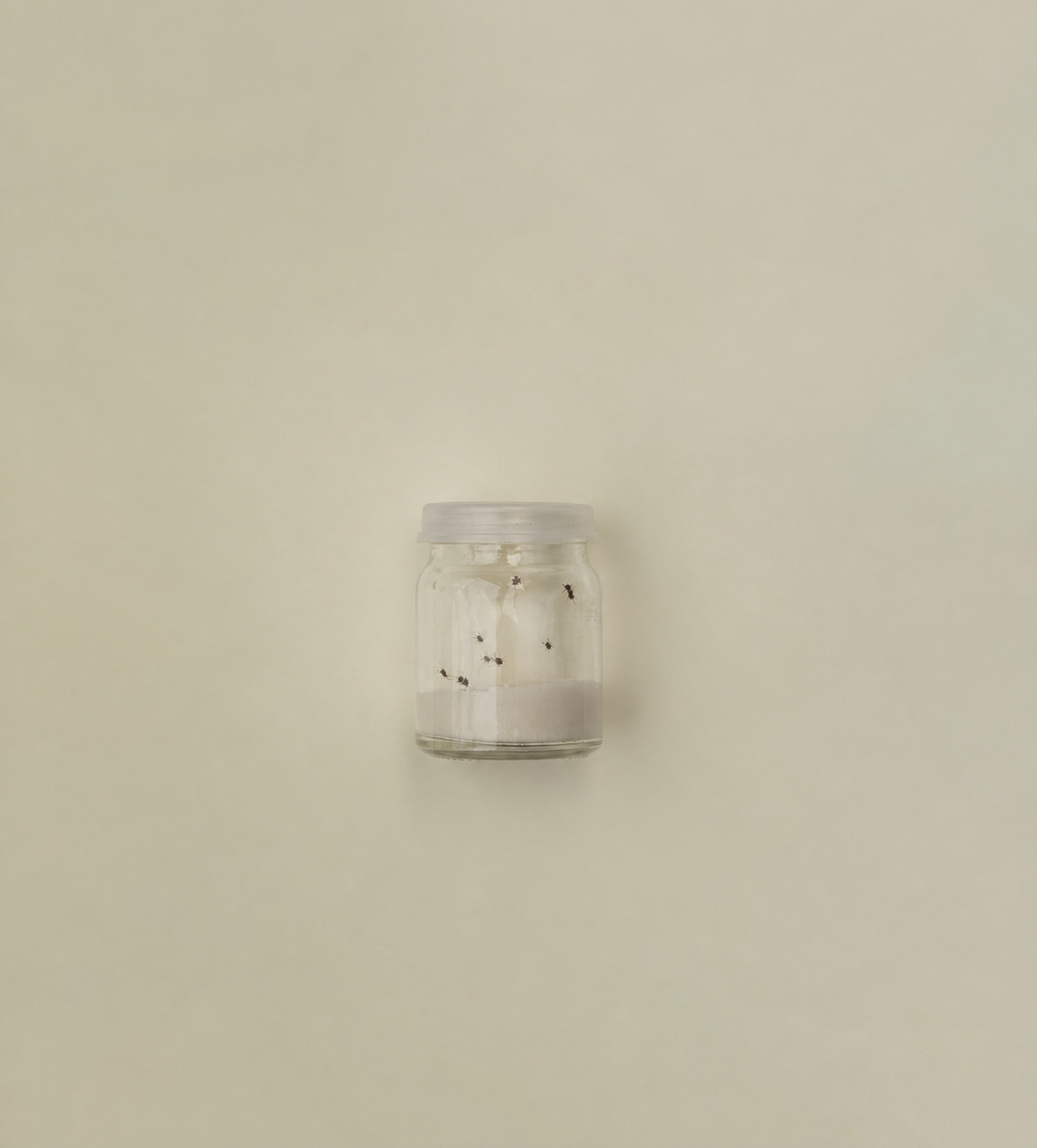
Closing the gap between what the Lyme+ community knows and what the rest of the world believes. 1.16 billion people have had Lyme disease, yet it remains rarely understood.
The gap is a communication issue, not a lack of evidence. The public needs to feel something before they’ll read anything.
Brand guidelines and a communications SSOT built on Connection → Clarity → Agency, and creative direction for awareness campaigns.
LymeLnk combats Lyme & tick-borne disease (Lyme+) through community storytelling and education. Formalizing its brand philosophy, communications architecture and audience positioning gave staff, board and volunteers one reference for every channel.

Principles grounded in brand psychology, mapped to each stage of the funnel, to guide storytelling, education and audience engagement.

Campaign and creative direction for awareness initiatives, including the “Making an Invisible Illness Visible” storytelling concept, symptom visualization assets and patient-centered narratives.
Making an Invisible Illness Tangible
A graphic collection developed as a campaign example in the brand guidelines, pairing approved patient quotes with extreme close-ups of the body.

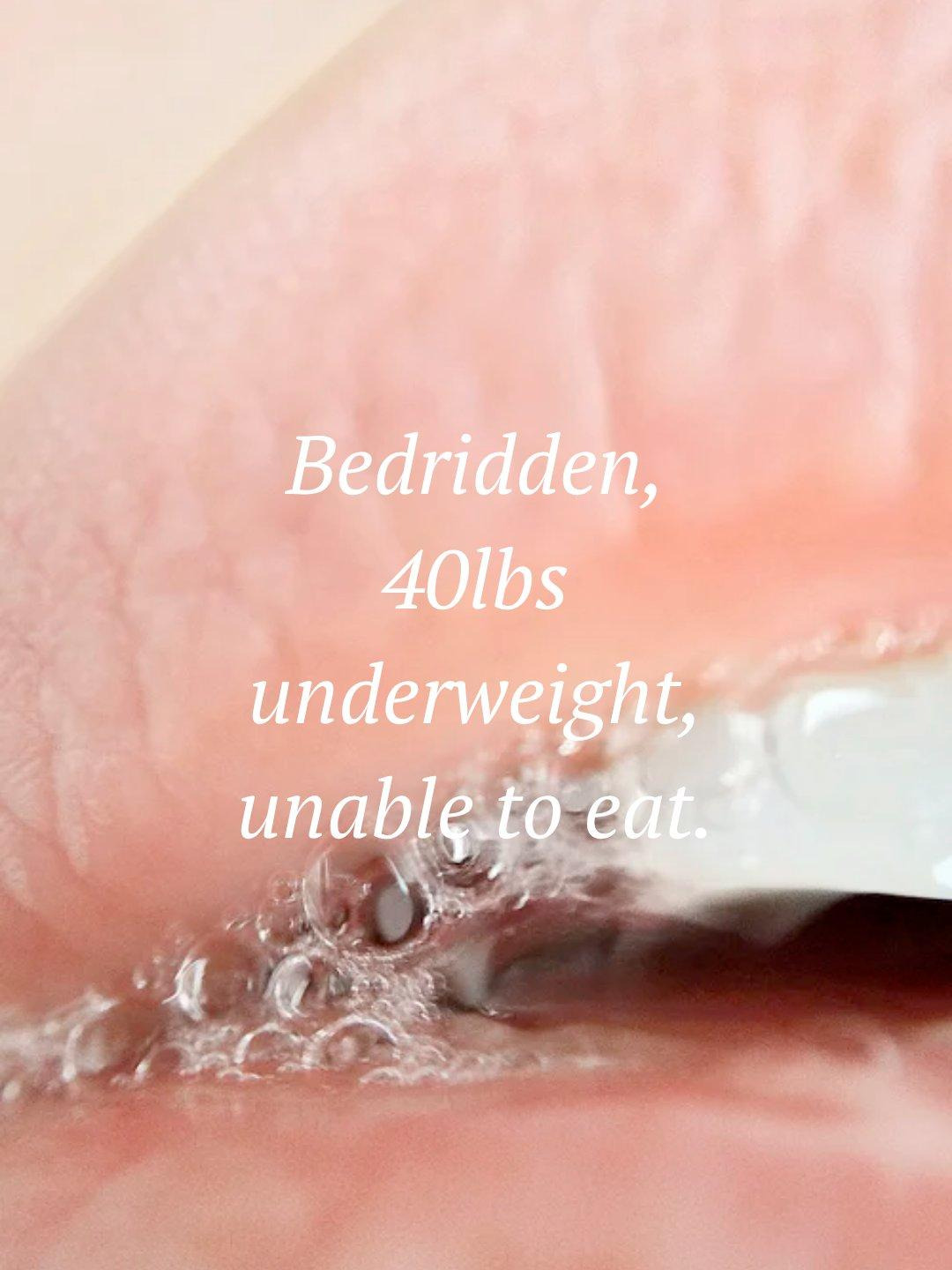

Photography by Lindsay Keys (2015)
Sensory marketing draws on the five senses to build emotional bonds. Extreme close-ups of skin textures, lips or trembling hands are designed to prompt a physical, subconscious response, so viewers sense the pain and systemic exhaustion of chronic illness rather than only read about it. By engaging mirror neurons, the images aim to build empathy and urgency in the public, and trust and validation for patients living with Lyme+.
A brand system that leads with the human, then the facts.
Brand guidelines and a communications SSOT that the team references before writing, speaking or representing LymeLnk externally. Both are built on Connection → Clarity → Agency, with behavioral principles for every stage and campaign directions for upcoming awareness initiatives.
Case study
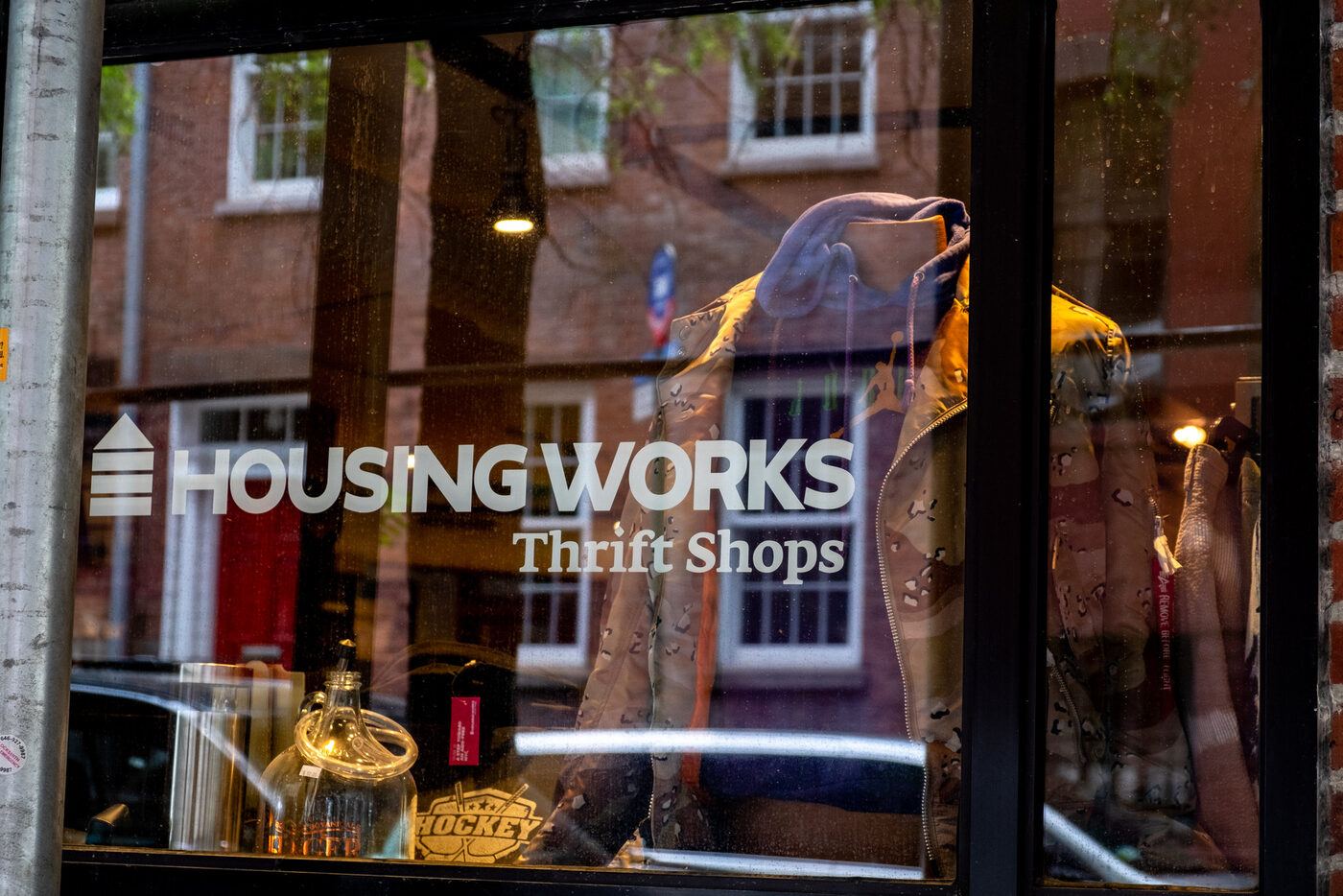
Bridging second chances for people affected by AIDS and homelessness with the second life of thrift pieces.

Housing Works, a New York City nonprofit that fights AIDS and homelessness through thrift sales, is already a landmark in the city’s thrift scene. The task: keep it updated, leading and highly relevant in second-hand retail.
Shoppers come for “the thrill of the hunt,” yet many don’t know their purchase funds the mission. Stories behind each piece can connect the two.
A storytelling-led retail strategy with excitement as a core brand pillar, prototyped through a live customization event at Housing Works Chelsea.
A Parsons School of Design External Engagement project in a team of eight. Research included client workshops, guerrilla interviews with shoppers in store and in-depth interviews with Housing Works volunteers.
How might we bring Housing Works forward as an updated, leading and highly relevant social enterprise in the second-hand retail space?

“I love the thrill of the hunt.”
A disconnect between perceived value, cause awareness and price expectations.
Many shoppers were not aware of Housing Works’ nonprofit mission, and pricing came up often. At the same time, most said they thrift for the experience and for pieces they can’t find anywhere else.
Mapped with an iceberg framework, from the visible store experience down to the cause.
We revisited brands and real-world experiences known for creating sustained anticipation, and compared two kinds of excitement.
Embrace the entropy of thrift.
Unpredictable donations become moments of serendipitous value, and experience, rather than discounting, justifies higher price points.
Storytelling became the bridge between cause awareness and the excitement of thrift. Real and imagined narratives could raise the perceived value of secondhand pieces, and New York–based events could deepen the connection to both the product and the mission.
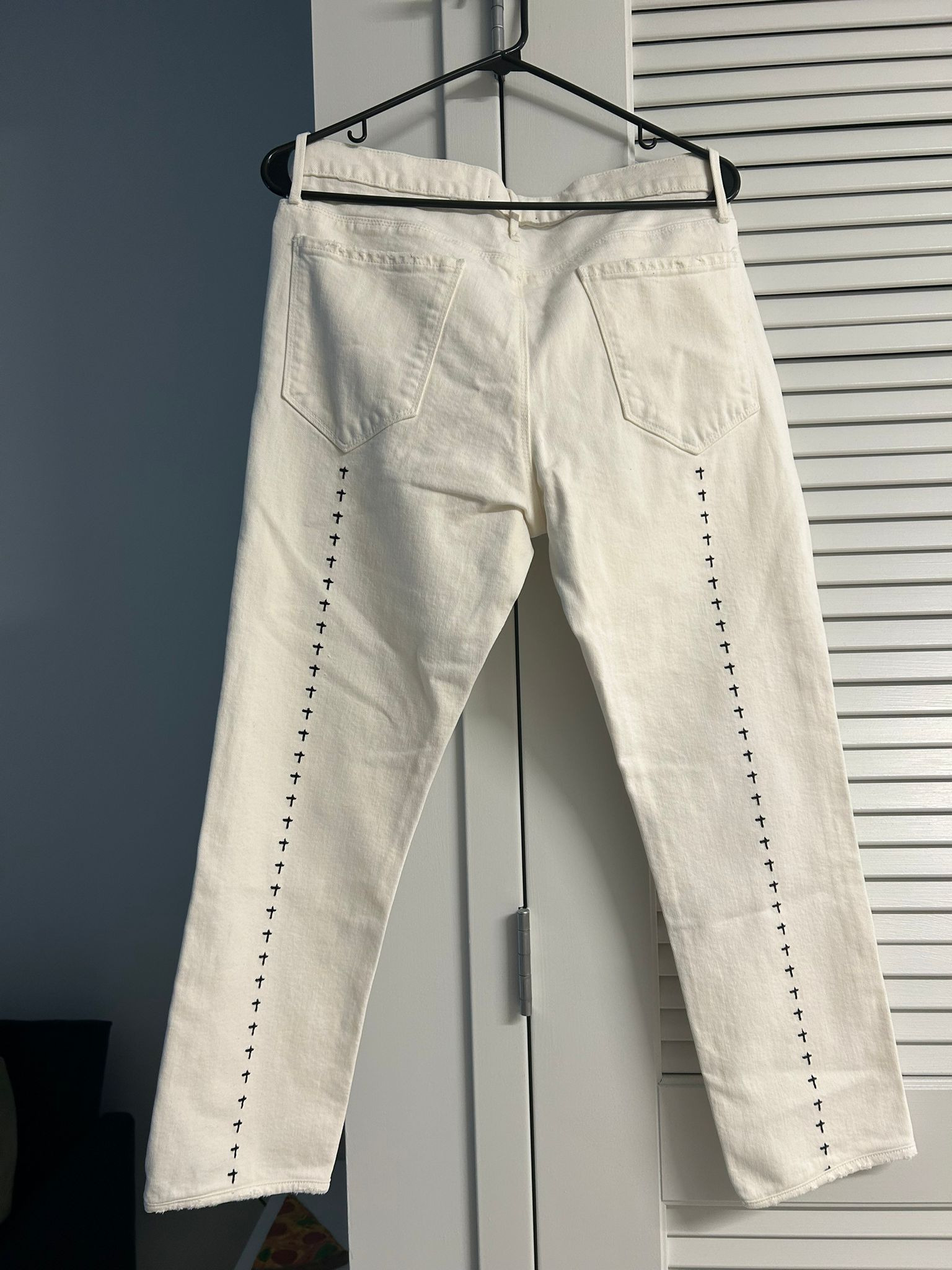
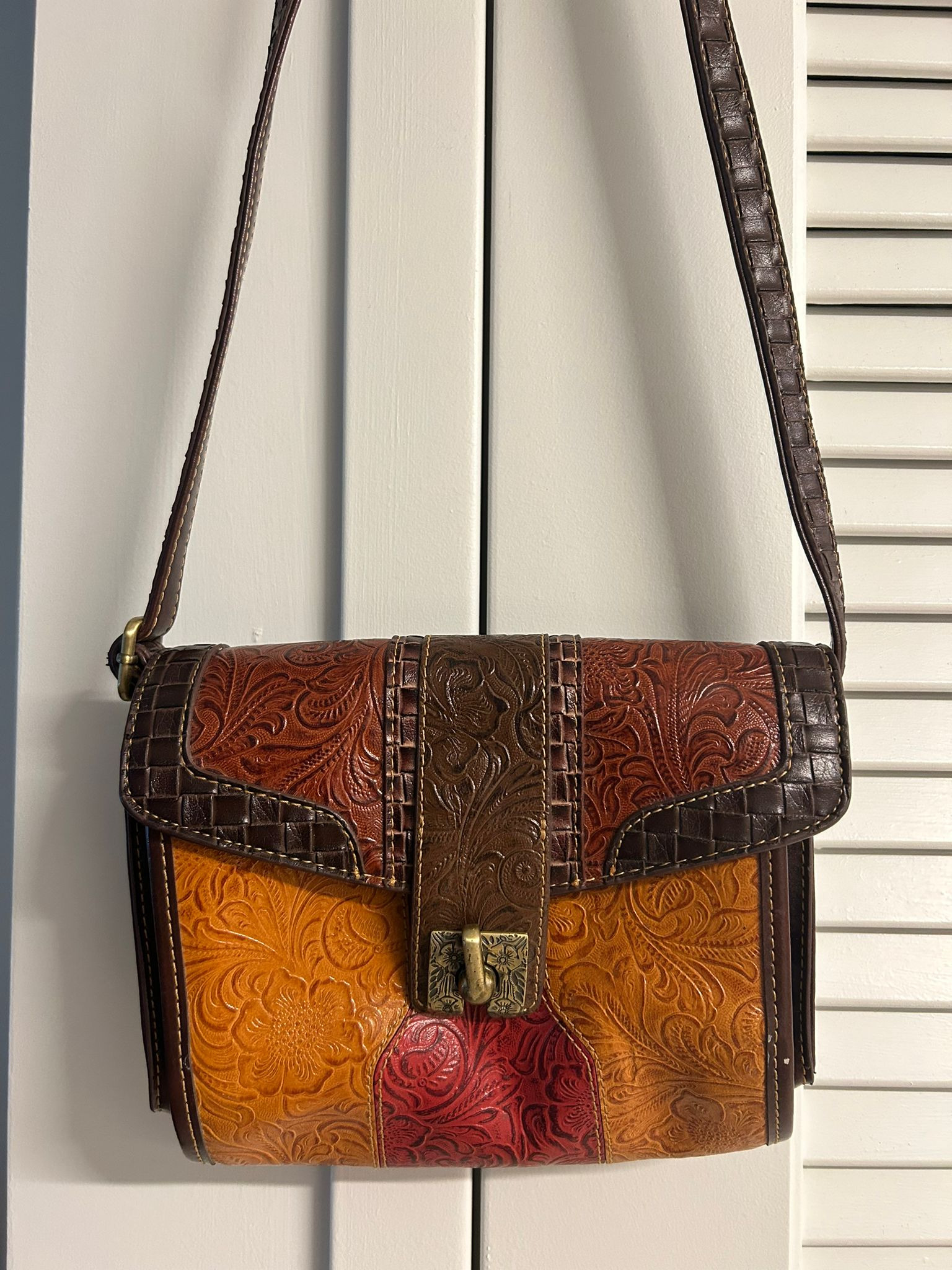
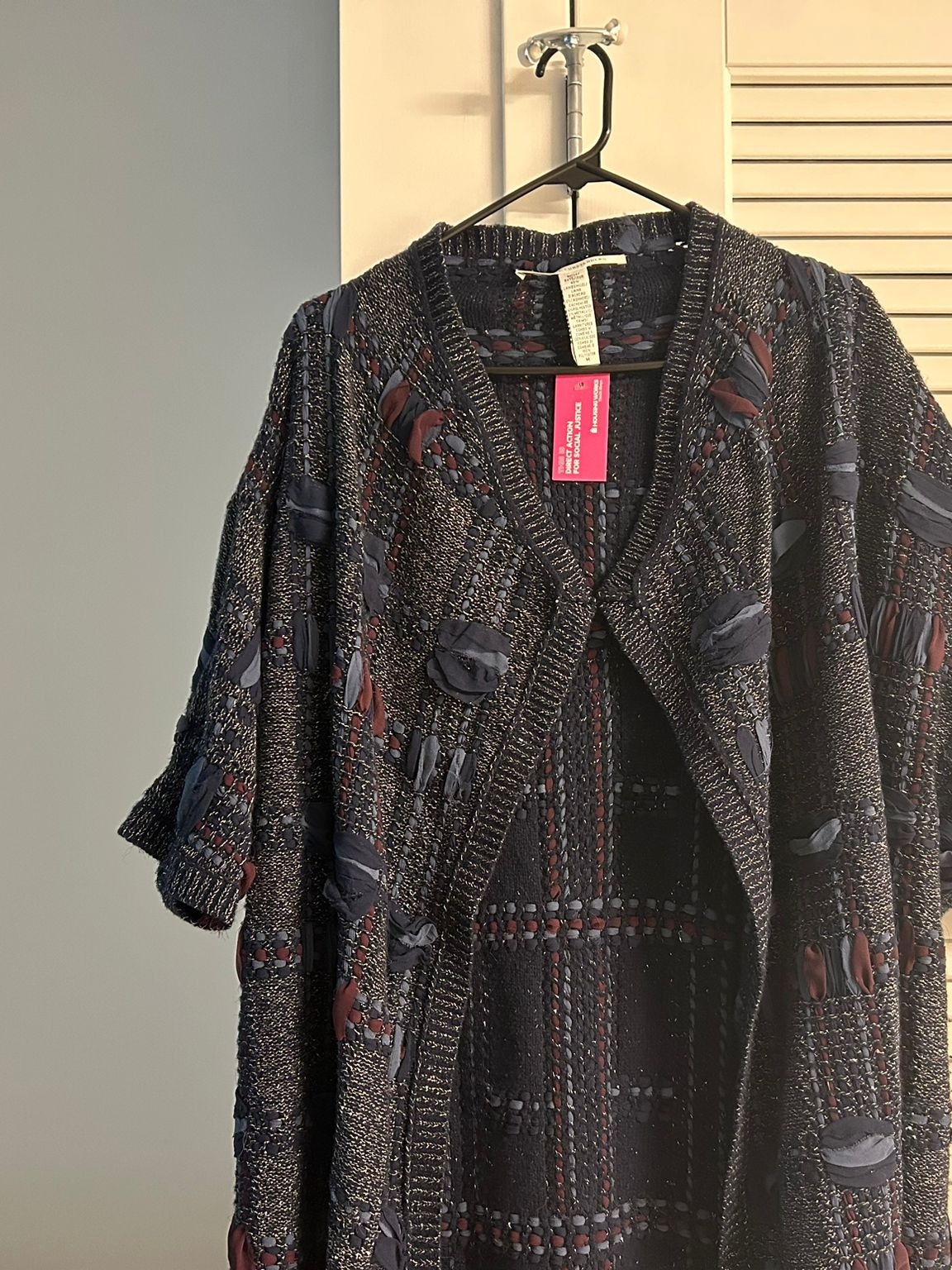
Pieces from Housing Works Chelsea, given personas for the event
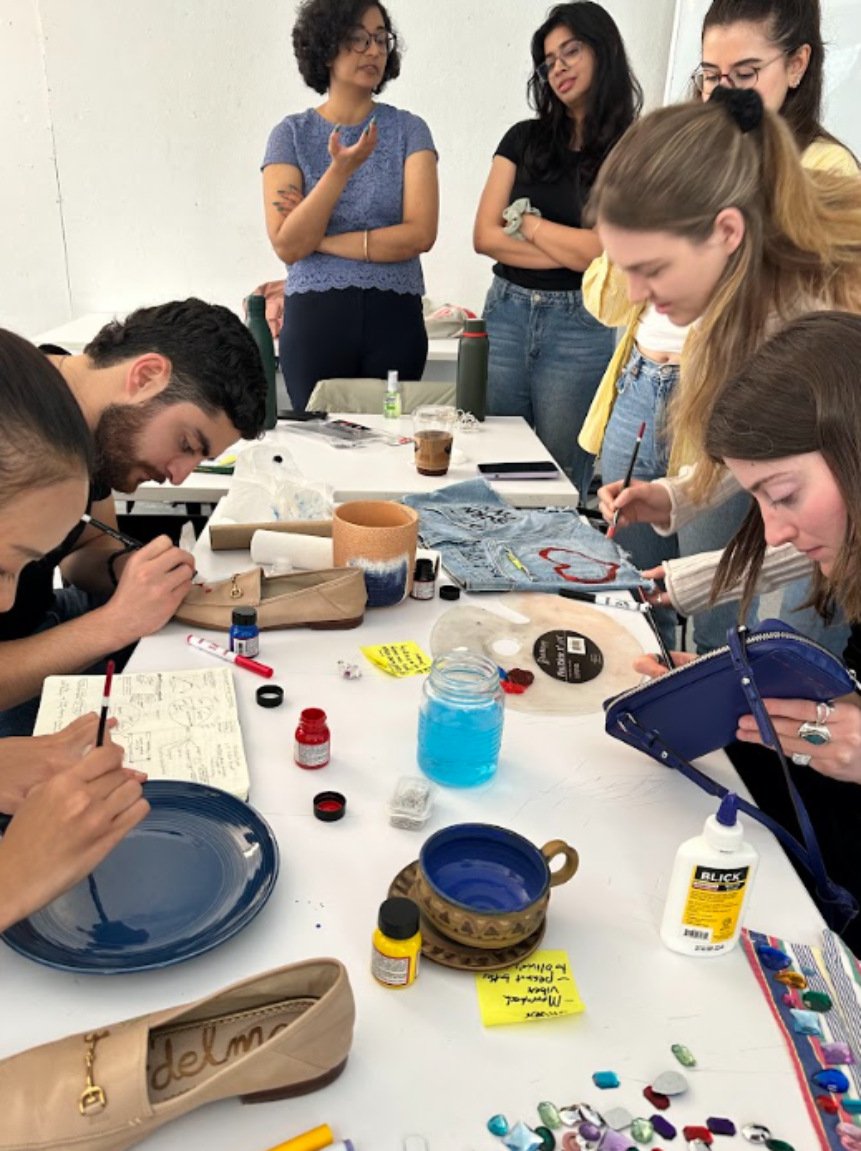
A customization test run before the live event.
A live evening at Housing Works Chelsea where customers met the stories of personified items and customized their finds at paint, embroidery and patch booths. The prototype tested one tactic within the broader excitement pillar, and how personification changes the way staff and customers talk about donated pieces.
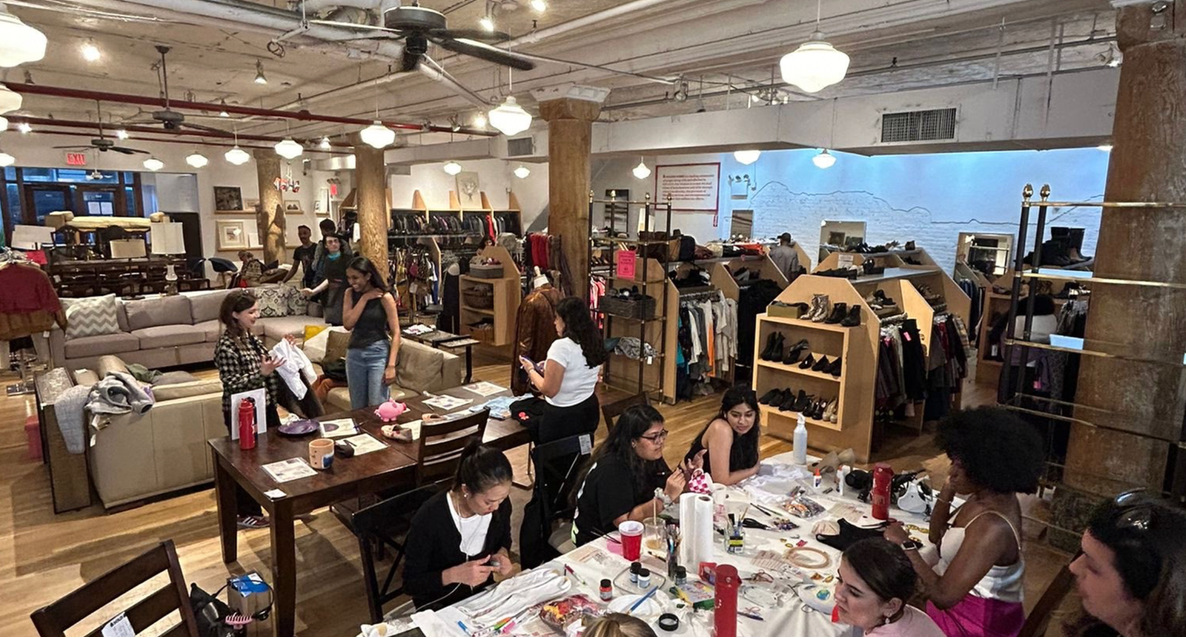
Live event at Housing Works Chelsea. Take home a unique item, with a unique story.
Excitement as a core brand pillar, with a story behind every piece.
A strategic vision that introduced excitement as a core brand pillar, fostered closer customer connections and laid the foundation for long-term brand loyalty, with actionable tactics designed to keep that excitement going over time.
Images: Housing Works and Geena Grunert
Legal
Datenschutzerklärung. Last updated: September 2026
Geena Grunert
Email: geena@grunert.name
This website is hosted by Netlify, Inc., 101 2nd Street, San Francisco, CA 94105, USA. When you visit the site, the host automatically processes technical data your browser sends: IP address, date and time of the request, the page requested, referrer URL, browser and operating system. This is necessary to deliver the website securely and stably. Legal basis: Art. 6 (1) (f) GDPR. A data processing agreement is in place with the host. Where data is transferred to the USA, this is based on the EU–US Data Privacy Framework or the EU Standard Contractual Clauses. Log files are stored only as long as needed for these purposes and are then deleted.
If you contact Geena by email or through the contact form, the data you provide (name, email, company, message and any optional details) is processed to handle your request and any follow-up. Legal basis: Art. 6 (1) (b) GDPR for pre-contractual enquiries, otherwise Art. 6 (1) (f) GDPR. Your data is deleted once your request has been fully handled, unless statutory retention periods apply.
The typeface used on this website is hosted on this website itself. No connection is made to Google or other font providers.
Podcast episodes are embedded from YouTube (Google Ireland Limited, Gordon House, Barrow Street, Dublin 4, Ireland). No connection to YouTube is made until you press play. When you do, YouTube receives data such as your IP address and the page you are on, and may set cookies or similar technologies. Videos use YouTube’s privacy-enhanced mode (youtube-nocookie.com). Legal basis: your consent by pressing play, Art. 6 (1) (a) GDPR and § 25 (1) TDDDG. Data may be transferred to the USA under the EU–US Data Privacy Framework. More information: Google privacy policy.
This website links to LinkedIn, Instagram, TikTok, YouTube and Medium. These are plain links: no data is sent to these platforms until you click one. After that, the respective platform’s privacy policy applies.
This website does not use analytics or tracking tools and does not set cookies of its own.
You have the right to access (Art. 15 GDPR), rectification (Art. 16), erasure (Art. 17), restriction of processing (Art. 18), data portability (Art. 20) and to object to processing based on legitimate interests (Art. 21). You can withdraw consent at any time with effect for the future (Art. 7 (3)). To exercise your rights, email geena@grunert.name.
You also have the right to lodge a complaint with a data protection supervisory authority, for example the authority in your country of residence.
Contact
Share a few details below, or write to geena@grunert.name.